City guide
Mexico City
Mexico City is one of those places that quietly rearranges your expectations — a sprawling, high-altitude capital of over 20 million people that somehow still feels warm, walkable and human-scaled at street level. It sits at roughly 2,240 meters (7,350 feet) in a mountain-ringed valley, which shapes everything from the light (that famous golden late-afternoon glow) to the weather (mild and spring-like most of the year, with a distinct rainy season from June to September when afternoon downpours are almost clockwork) to how your body feels for the first day or two. Layer on top of that geography a genuinely staggering depth of history: Aztec temple foundations sitting directly beneath colonial churches, which sit beneath Art Deco mansions, which sit beside some of the most inventive contemporary restaurants and galleries in the Americas. Chilangos (as locals call themselves) will tell you the city is really dozens of towns stitched together, and they're right — Polanco's polished boulevards, Roma and Condesa's tree-lined café culture, Coyoacán's cobblestone village feel and Centro Histórico's monumental plazas can each feel like a different city, sometimes a twenty-minute drive apart. It rewards food-obsessed travelers especially — this is one of the best eating cities on the planet, from five-peso tacos to globally ranked tasting menus — as well as culture and art lovers happy to spend a full week without running out of museums, markets and neighborhoods to get lost in. It's not a place to rush: come with a loose itinerary, comfortable shoes, an appetite, and patience for traffic and altitude, and it will very likely become one of your favorite cities anywhere.
29 places we recommend
Getting there
Almost everyone arrives through Mexico City International Airport (AICM, airport code MEX), about 10km (6 miles) east of Centro Histórico and roughly 20–40 minutes by car from Roma, Condesa or Polanco depending on traffic. It's a major international hub — Aeroméxico's home base and a SkyTeam hub — with direct flights from most major US cities (New York, Los Angeles, Chicago, Miami, Dallas, Houston and more), several European cities (British Airways flies nonstop from London Heathrow, roughly 11 hours; Air France from Paris; Iberia and Aeroméxico from Madrid), and hubs across Latin America. Terminal 2 handles most Aeroméxico and SkyTeam flights; Terminal 1 covers most other domestic and international carriers — double-check which one your flight uses, since they're not within easy walking distance of each other. On arrival, skip the taxi touts in the arrivals hall entirely: either book a ride-hailing car to the designated pickup zone, or use an official taxi kiosk inside the terminal (look for Porto Taxi or Sitio 300 counters) — pay at the counter, not the driver, and expect roughly 250–350 pesos and 20–40 minutes to Centro or Roma/Condesa depending on traffic. A second, newer airport, Felipe Ángeles International Airport (AIFA, code NLU), sits about 50km north of the city and is used mainly by budget carriers like Viva Aerobus and some Central/South American routes — it's worth checking which airport your flight actually lands at before booking, since AIFA is a genuinely long haul from the main tourist neighborhoods; a rail link connecting AIFA to Buenavista station in central Mexico City opened in 2026 and has made this a more realistic option than it used to be, though AICM remains far more convenient for most visitors. A third option, Toluca International Airport (TLC), about an hour west of the city, occasionally has cheaper budget-carrier fares but adds real transfer time. If you're coming overland from elsewhere in Mexico, there's no real intercity passenger rail network here — long-distance buses are the standard, and a genuinely comfortable one: first-class operators like ADO run frequent, reclining-seat coaches into the city's several bus terminals, split by direction — Terminal Norte for northern routes, TAPO (also called Terminal Oriente) for Puebla, Oaxaca, Veracruz and the Yucatán, Terminal Poniente for Toluca and Michoacán, and Terminal Sur for Cuernavaca and Acapulco — so it's worth confirming which terminal your route uses before arranging onward transport from your hotel.
Getting around
The Metro is absurdly cheap (5 pesos a ride, tap or token) and the fastest way to cross town at rush hour, though it gets seriously packed — women and children can use the separate front carriages (marked and staffed) reserved for them during busy periods. The Metrobús — the orange articulated buses running dedicated lanes down Avenida Insurgentes and Paseo de la Reforma — is a great backup on the same flat-fare, rechargeable-card system, and Line 1 down Insurgentes is one of the most useful routes for visitors staying in Roma, Condesa or Polanco. The Cablebús, a genuine cable car system, is worth riding at least once for the views over Iztapalapa or Cuautepec, even if you're not headed there for any other reason. For everything else, ride-hailing apps are the default for visitors — metered upfront, trackable, and generally considered safer than hailing a taxi off the street; stick to registered sitio taxis (found at taxi stands, not roaming) if you do need a street cab. Traffic is real and worth planning around: Mexico City is enormous, and a cross-town trip that looks like 20 minutes on a map can easily take 45–60 in weekday rush hour (roughly 7–9:30am and 6–8:30pm), so build in buffer time and try to base yourself somewhere central to cut down on commuting. EcoBici, the city's bike-share system, is excellent for short hops around Roma, Condesa and Centro once you've registered with a local phone number (a short-term visitor pass is available too). The hop-on-hop-off Turibus is touristy but a genuinely useful first-day orientation tool if you want a lay-of-the-land loop past Reforma, Chapultepec and Centro before deciding where to focus. And honestly, walking is one of the best ways to experience Roma, Condesa, Coyoacán and Centro Histórico — just watch your footing, the sidewalks are famously uneven.
Apps to download
Uber and Didi are both widely used and considered the safe, reliable options for getting around — plenty of locals actually reach for Didi first since it's often a bit cheaper, keeping Uber as backup for late nights, airport runs, or when one app is surging. Cabify has a smaller footprint but is a solid third option to check if the other two are pricey. inDrive operates here too but isn't recommended for visitors unfamiliar with the city, since fares are negotiated directly with the driver with fewer safety guardrails than the metered apps. For food delivery, Rappi is the homegrown giant and delivers far more than food — groceries, pharmacy runs, even cash — alongside Uber Eats and Didi Food, both also solid. EcoBici is the official app for the city's bike-share docks and worth downloading even for a short stay (visitor passes are available inside the app). The Metro CDMX and Moovit apps are both useful for line status, station maps and real-time routing across the metro/metrobús/RTP network — Mexico City's public transit map is genuinely confusing at first, and either app flattens the learning curve fast. Google Maps and Waze both work well for driving and traffic estimates, and Waze in particular is what a lot of locals use to route around accidents or protests blocking major avenues. Google Translate, with the camera and offline mode downloaded, is worth having outside the main tourist neighborhoods, where English drops off quickly. And it's worth noting most everyday spending here — market stalls, taco stands, small shops — is still cash-only, so don't rely on cards or apps for everything.
Good to know
Mexico City sits at roughly 2,240 meters (7,350 feet), so give yourself a slower first day or two — go easy on the extra drink, sip more water than feels necessary, and don't be surprised if a flight of stairs or a hill in Coyoacán hits different than it would at sea level; a mild headache and shortness of breath in the first 24–48 hours are normal and pass quickly. Tipping (propina) of around 10–15% is expected at sit-down restaurants (check whether servicio is already added to the bill before doubling up), and it's normal to tip hotel housekeeping daily rather than in one lump sum at checkout, since staff rotate. Stick to bottled or filtered water — ask for agua purificada — even locals don't drink straight from the tap, and it's worth doing the same with ice anywhere that doesn't look like it's using purified water. Remember the $ sign on menus means pesos, not dollars: a $150 taco plate is about 8 USD, not 150 — it trips up almost every first-time visitor at least once. Lunch (comida) is the main meal of the day here, typically eaten between 2 and 4pm, often as a multi-course "menú del día" at a fraction of dinner prices — dinner itself runs late, with many restaurants not filling up until 9pm. Many major museums (including the Museo Nacional de Antropología and the Frida Kahlo Museum) are closed on Mondays, and several are free or discounted for everyone on Sundays, which also makes them considerably more crowded that day. The city is prone to occasional political marches and demonstrations, especially around the Zócalo and along Reforma — they're rarely dangerous for bystanders but can shut down streets and metro stations for hours, so build in flexibility. Petty theft (phone snatching, pickpocketing on crowded metro cars) is the realistic risk in most tourist areas rather than violent crime — keep valuables discreet and avoid flashing your phone on the street, especially around Centro and on public transit. A local SIM (Telcel has the best coverage) or eSIM is worth sorting on arrival, since data is cheap and useful for maps, translation and ride-hailing throughout your stay.
Where to stay
Roma Norte is the classic first-timer base — tree-lined streets, Art Deco and Porfirian-era facades rebuilt with real care after the 1985 earthquake, and the city's best concentration of cafés, galleries and restaurants, almost all within walking distance of each other; Álvaro Obregón and Orizaba are good streets to aim close to. La Condesa sits right next door and trades a little of Roma's polish for wider parks (Parque México and Parque España) and a more relaxed, dog-walking, expat-friendly pace — it's the quieter, greener sibling. Polanco is the place for polished luxury — top-tier hotels, high-end shopping along Avenida Presidente Masaryk, and some of the city's best museums and restaurants, in a notably safe, manicured setting that suits travelers who want comfort over grit. Centro Histórico puts the Zócalo, Palacio de Bellas Artes and Templo Mayor right on your doorstep and is unbeatable for sightseeing by day, but it quiets down and feels less comfortable after dark, so it suits travelers prioritizing landmarks over nightlife, ideally for just a night or two. Juárez, sandwiched between Roma/Condesa and Reforma, has quietly become one of the best-value bases in the city — old mansions and new boutique hotels, walkable to everything, with its own increasingly excellent international food scene, and within it, the Zona Rosa pocket that anchors the city's LGBTQ+ nightlife. For a slower, more local pace without sacrificing charm, Coyoacán and San Ángel — both a 20–30 minute drive or metro ride south of Roma/Condesa — offer cobblestone streets, colonial architecture and a village-like calm, at the cost of being further from the main restaurant clusters and nightlife.
Where to eat
Roma Norte and Condesa together make up the city's most exciting eating ground — everything from taco carts to tasting menus within a few blocks of each other. Masala y Maíz, blending Mexican, Indian and East African flavors, is one of Roma's most talked-about tables and worth booking ahead for. For coffee and easy mornings, Niddo Café's Roma and Juárez locations, the tiny totte para todos espresso bar, and Nice Day Coffee are the kind of places you'll want to return to daily — CDMX's specialty coffee scene has genuinely caught up to anywhere in the world. Out west in Lomas, La Once Mil has built a serious following for tacos — it's the rare spot that pulls people out of their usual neighborhood just to eat there. Juárez has quietly become one of the city's most international eating districts, with standouts like Tandoor and Taj Mahal for Indian food and Manaw for Thai, alongside Korean spots like Jowong — proof CDMX's food scene reaches well beyond tacos and mole. Don't skip Mercado de San Juan in Centro if you want to see, and taste, the exotic produce, cheeses and specialty ingredients top CDMX chefs shop for themselves. For the classics, plan at least one late night around a trompo: Colonia Narvarte's El Vilcito and Centro's El Huequito (open since 1959 and one of the originators of the taco al pastor itself) are both worth the trip, and both hit their stride after 9pm. Casa de Toño, with locations scattered across the city, is the reliable answer for a proper bowl of pozole, and Churrería El Moro (open since 1935, with a location near the Zócalo) is the correct answer any time you want churros con chocolate, day or night. For a sit-down splurge, Roma's Masala y Maíz aside, Polanco is where the globally ranked tasting menus cluster — book weeks ahead if a specific one is on your list.
Food to try
Tacos al pastor are the single most iconic Mexico City dish — thin strips of achiote-marinated pork sliced straight off a vertical trompo (spit), tucked into a small corn tortilla with a sliver of pineapple, onion and cilantro. The style was brought by Lebanese immigrants in the early 1900s and reinvented here; Centro's El Huequito (open since 1959 and one of the style's originators) and Narvarte's late-opening El Vilcito are two of the most respected addresses, and both really only get going after dark. Beyond pastor, look for tacos de guisado (stewed fillings like tinga, rajas or picadillo, ladled onto a tortilla, common at market stalls and lunch counters), tlacoyos (thick, oval blue-corn cakes stuffed with beans, cheese or fava, a pre-Hispanic dish still sold from street carts, especially good around Roma Norte), and esquites or elotes (corn kernels or corn-on-the-cob dressed with mayo, chili, lime and cotija cheese, sold from carts most afternoons). Chilaquiles — tortilla chips simmered in red or green salsa, topped with crema, cheese and often a fried egg — are the definitive CDMX breakfast. For a proper sit-down meal, pozole (a hominy and pork or chicken soup, deep red with chile) and mole (a complex, slow-cooked sauce built from chiles, spices, nuts and often chocolate, served over chicken or pork) are the dishes to seek out — Casa de Toño's multiple locations are the reliable, no-fuss answer for pozole. Tamales, sold from street-corner steamers, are strictly a morning food here (roughly 5:30–11am) — grab one wrapped in corn husk or banana leaf on your way somewhere else, the way locals do. For something sweet, Churrería El Moro has been frying churros since 1935 and remains the city's benchmark, especially dunked in thick Mexican hot chocolate. To drink, try pulque (a mildly fermented, low-alcohol agave drink that predates the Spanish and tastes like nothing else) at a dedicated pulquería, and mezcal — smokier and more variety-driven than tequila — at one of the city's growing number of serious mezcalerías. And don't miss the international layer that's grown up alongside all of this: Masala y Maíz's Mexican-Indian-East African cooking in Roma, and the genuinely excellent Indian food at Juárez's Tandoor and Taj Mahal, are proof CDMX's food identity now stretches well past its own borders.
Where to shop
Polanco is the luxury end of town — Avenida Presidente Masaryk is Mexico City's answer to Rodeo Drive, lined with Gucci, Cartier and the rest of the usual big names, with the Antara and Plaza Carso malls nearby for an air-conditioned alternative. For something with more soul, head to Mercado de Artesanías La Ciudadela near Centro, a sprawling covered market of Oaxacan textiles, Talavera pottery from Puebla, Taxco silver and hand-woven goods from across the country — worth negotiating a little on price, and one of the most reliable one-stop spots for gifts to bring home. Roma and Condesa are the go-to for independent boutiques and vintage — Proyecto Rufina in Condesa, plus Back to Life Vintage Clothing and Vintage Hoe, are worth a browse if you prefer curated secondhand over big-brand shopping, and Cardon is a good stop for locally designed clothing. Zona Rosa rounds things out with a denser, more chaotic strip of clothing stores, leather goods and antiques, and it's also the heart of the city's LGBTQ+ nightlife scene. For a rawer, more local market experience, La Lagunilla in Centro turns into a sprawling flea market every Sunday — antiques, records, furniture and genuine junk-shop treasure hunting — while Mercado de Sonora, also in Centro, is the city's famously eccentric "witchcraft market," selling everything from herbal remedies and religious candles to live animals; it's fascinating to walk through even if you're not buying. Mercado Roma, a more polished, design-forward food hall in Roma Norte, is worth a stop for gourmet Mexican products and gifts that travel well, like mezcal, chocolate and coffee.
Things to experience
Chapultepec Park is the city's green lung — nearly twice the size of Central Park — and home to Chapultepec Castle (the only royal castle in the Americas, with sweeping views over Reforma) and the Museo Nacional de Antropología, one of the best anthropology museums in the world and worth a half-day on its own. Spend a morning in Coyoacán at the Frida Kahlo Museum (Casa Azul) — book tickets days ahead, it regularly sells out — then wander the market and plaza before lunch, and if you have time, the nearby Museo Anahuacalli (Diego Rivera's volcanic-rock pyramid of a museum, built to house his folk-art collection) is a striking, far-less-crowded add-on. In Centro Histórico, the Zócalo, Templo Mayor and Palacio de Bellas Artes cover a few thousand years of history in a single walkable loop — step inside the Palacio Nacional to see Diego Rivera's monumental murals of Mexican history along the main staircase, free with ID. A canal ride through Xochimilco on a colorful trajinera, with mariachi bands and food boats drifting past on neighboring canals, is touristy but genuinely fun — go on a weekday morning to dodge the party-boat crowds that take over by early afternoon. Set aside a full day for Teotihuacán, about an hour outside the city, to climb the Pyramid of the Sun and Pyramid of the Moon — go early to beat both the heat and the tour buses. Catch a night of Lucha Libre wrestling at Arena México — campy, loud and completely unlike anything else on a typical museum-and-market itinerary, and a genuinely fun way to spend an evening. Architecture fans should book ahead for Casa Luis Barragán, the Pritzker Prize-winning architect's own house, preserved almost exactly as he left it and one of the city's most serene, photogenic interiors. And closer to home, don't skip an evening wandering a spot like Jardín Dr. Ignacio Chávez or just drifting through Roma and Condesa's streets — some of the city's best moments come free, with no ticket required.
Places in Mexico City
29 places we personally recommend — 15 restaurant, 5 café & bakery, 3 bar, 1 activity, 5 shopping.
Restaurant
15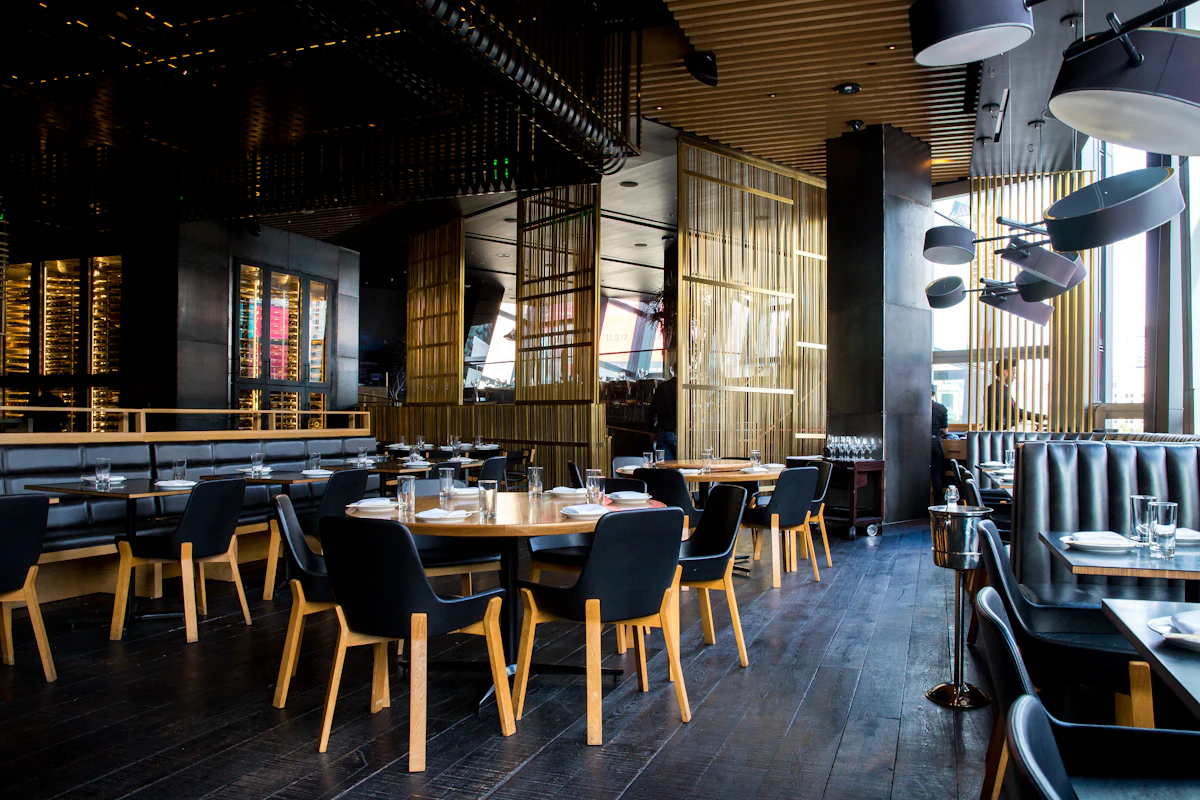 Restaurant$$$$
Mexico City, Mexico
Bagels Lepu
Restaurant
Restaurant$$$$Mexico City, Mexico
Bella Aurora
Restaurant
Restaurant$$$$Mexico City, Mexico
Dukkah
Restaurant
Restaurant$$$$Mexico City, Mexico
Jowong
Korean
RestaurantMexico City, Mexico
Kinshasa Roma
Food court
Restaurant$$$$Mexico City, Mexico
La Once Mil - Lomas
Tacos
Restaurant$$$$Mexico City, Mexico
Madre Café
Restaurant
Restaurant$$$$Mexico City, Mexico
Manaw
Thai
Restaurant$$$$Mexico City, Mexico
Martínez
Restaurant
Restaurant$$$$Mexico City, Mexico
Masala y Maíz
Restaurant
Restaurant$$$$Mexico City, Mexico
Mexa Cocina del Alma
Mexican
RestaurantMexico City, Mexico
Rokai Santa Fe
Izakaya food
Restaurant$$$$Mexico City, Mexico
Taj Mahal - Restaurante Indio CDMX
Indian
Restaurant$$$$Mexico City, Mexico
Tandoor
Restaurant
Restaurant$$$$Mexico City, Mexico
Taqueria Gabriel
Tacos
Café & bakery
5 Café & bakery$$$$
Mexico City, Mexico
Cafe Milou
Café
Café & bakery$$$$Mexico City, Mexico
Nice Day Coffee
Café
Café & bakery$$$$Mexico City, Mexico
Niddo Café Juárez
Café
Café & bakery$$$$Mexico City, Mexico
Niddo Café Roma
Café
Café & bakery$$$$Mexico City, Mexico
totte para todos
Espresso bar
Bar
3
Activity
1
Shopping
5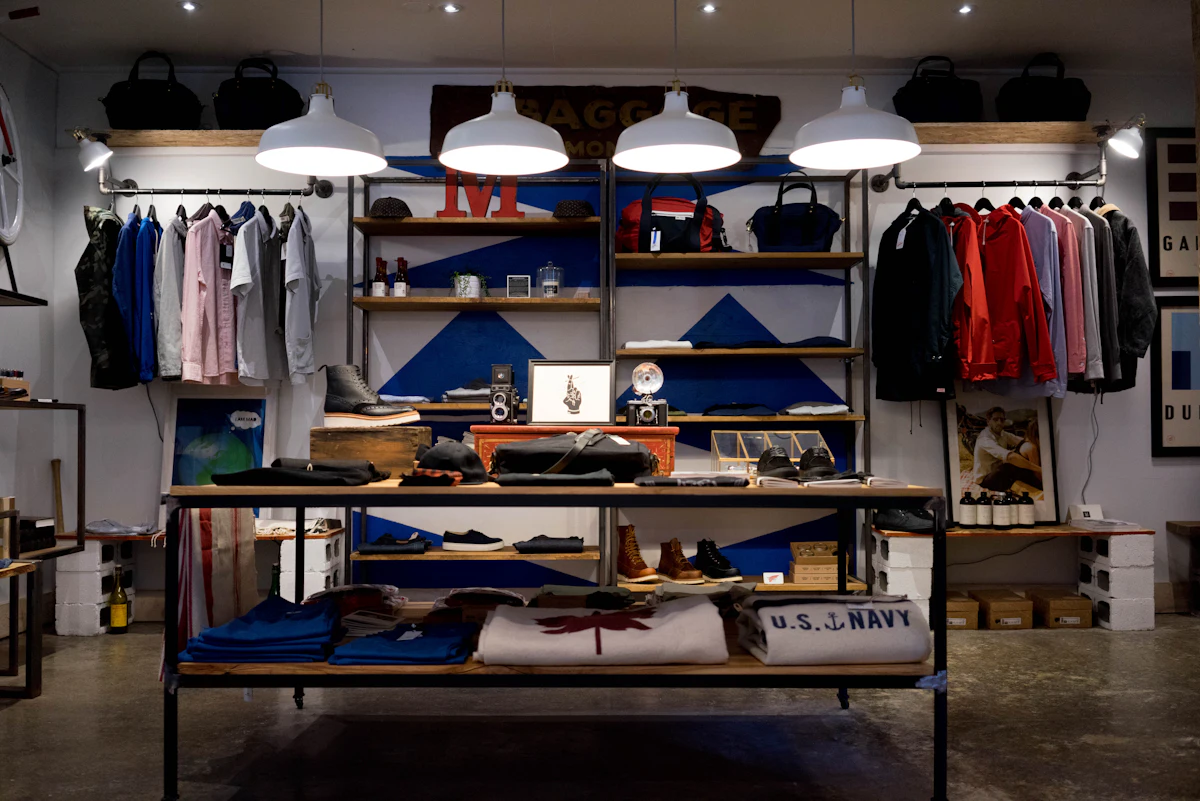 Shopping
Mexico City, Mexico
Back to Life Vintage Clothing
Vintage clothing store
ShoppingMexico City, Mexico
Cardon
Clothing store
ShoppingMexico City, Mexico
Mercado de Artesanías La Ciudadela
Market
ShoppingMexico City, Mexico
Proyecto Rufina Condesa
Clothing store
ShoppingMexico City, Mexico
Vintage Hoe
Vintage clothing store