City guide
Koh Yao Yai
Koh Yao Yai is the big, quiet sibling of Koh Yao Noi — a long, hilly island sitting almost exactly halfway between Phuket and Krabi in Phang Nga Bay, with the bay's limestone karsts scattered across the horizon from nearly every beach on the west and northeast coasts. At around 30 square kilometres it's roughly four times the size of Koh Yao Noi but far less developed: only a handful of small villages (Chong Lad and Prunai are the two administrative centres) sit along a single ring road, and fishing, rubber tapping, and cashew and coconut farming still shape daily life more than tourism does. Roughly 90% of the population is Muslim, and the island's rhythm follows that — calls to prayer carry across the rice fields and rubber groves at dusk, pork is essentially absent from menus, and alcohol is sold in a small handful of places rather than every other doorway. What development there is stays low-rise and spread out: a run of upscale resorts along Loh Paret beach (Santhiya Koh Yao Yai Resort & Spa among them, plus Anantara Koh Yao Yai further south), a scattering of smaller family-run guesthouses near the northeastern piers, and long stretches of empty sand and jungle road in between. It suits couples and families after quiet luxury and real distance from crowds, or slow-travel types happy to rent a scooter, get mildly lost on back roads, and eat where the fishermen eat — it is not the island for anyone chasing nightlife, malls, or a packed sightseeing itinerary.
15 places we recommend · From Asia
Getting there
Koh Yao Yai has no airport of its own, so every trip routes through one of two gateway airports on either side of Phang Nga Bay: Phuket International Airport (HKT) or Krabi Airport (KBV), both roughly 20-45 minutes from a pier by taxi and both genuinely viable — pick whichever fits your flights better. From Phuket, the standard route is a taxi or resort transfer to Bang Rong Pier (20-30 minutes from the airport), then a speedboat to Chong Lad or Klong Hia pier on Yao Yai's northeast coast (30-45 minutes, roughly 20-plus departures a day, first boat around 7:30-8:30am, last around 5pm). From Krabi, boats leave from Klong Jilad Pier near Krabi town, or from Tha Len and Nopparat Thara piers near Ao Nang, with crossings of 45 minutes to just over an hour — departures are less frequent than from Phuket, so check times in advance. Neither airport has direct scheduled flights from Sweden, but if you're flying from Stockholm, Norse Atlantic Airways began flying direct Stockholm-Phuket in December 2025 (weekly on a Boeing 787-9, expanding to twice-weekly from December 2026) — worth checking for winter-season dates; otherwise the standard route is a connection through Bangkok (Suvarnabhumi or Don Mueang) with a short domestic hop onward to Phuket or Krabi. If you're island-hopping rather than arriving fresh, it's also easy to reach Yao Yai from neighbouring Koh Yao Noi — regular longtail boats run between Manoh Pier and Chong Lad Pier in about 10-15 minutes for around 20 baht. Whichever way you come, book ferry tickets a day or two ahead in high season (December-March) via 12go.asia or Ferryhopper, and always confirm the last boat back if you're only stopping for the day.
Getting around
There's no bridge and no airport on the island, so every visit starts and ends with a boat. From Phuket, Bang Rong Pier is the main departure point — about 20-30 minutes by taxi from Phuket International Airport — with roughly 20-plus daily speedboat departures (first around 7:30-8:30am, last around 5pm) crossing to Chong Lad or Klong Hia pier on Yao Yai's northeast tip, a 30-45 minute ride for around 300-400+ baht one way. From Krabi, boats leave from a mix of piers depending on the operator and season — Klong Jilad Pier near Krabi town, or Tha Len and Nopparat Thara piers near Ao Nang — with crossings of 45 minutes to just over an hour; departures are less frequent than from Phuket, so it's worth booking ahead and building in buffer time. A third option, handy if you're island-hopping, is to arrive via Koh Yao Noi's Manoh Pier and take one of the regular longtail boats over to Chong Lad Pier on Yao Yai — just 10-15 minutes and around 20 baht, running through daylight hours. Whichever route you choose, confirm the last boat time before committing to a day trip; miss it and you're sleeping on the wrong island. Once you're actually on Yao Yai there's no public transport, no metered taxis, and no roaming tuk-tuks: renting a scooter (around 250-300 baht/day, cheaper from small shops along the ring road than through your resort) is how almost everyone gets around — roads are quiet, mostly paved, and manageable even for nervous riders — and a private taxi or songthaew arranged through your resort or a pier tour desk covers the rest (expect around 300 baht for a short hop). A few resorts rent bicycles too, which is plenty for exploring close to Loh Paret.
Apps to download
Grab works fine on the Phuket side — use it for the airport run to Bang Rong Pier or getting around Phuket town — but it doesn't operate as a ride-hailing service on Koh Yao Yai itself; there's no roaming driver network on the island, so don't expect to summon a car once you're across the water. On Yao Yai, transport and tours are arranged directly: message your resort, stop by a tour or taxi desk near the piers, or just ask around — LINE is how most locals and small operators actually coordinate, so it's worth having installed if you're booking anything independently. For ferry tickets booked ahead, 12go.asia and Ferryhopper are the sites most travellers use to check schedules and reserve seats across the various speedboat operators (Bundhaya, Green Planet, Tigerline, Satun Pakbara, and others). Mobile coverage is decent but not universal — AIS and dtac have the widest reach on the island, so it's worth picking one of those if you're buying a Thai SIM at the airport rather than relying on resort wifi alone. Cash still rules day to day, though many resorts, cafés, and even some roadside stalls now accept PromptPay QR payments, so a Thai banking app (or your own bank's QR-pay feature, if it supports Thailand) can save you a scooter trip to the ATM.
Good to know
Koh Yao Yai's roughly 18,000 residents are around 90% Muslim, spread across a handful of small fishing villages, with Chong Lad and Prunai serving as the two administrative centres (and the only places with ATMs and government offices) — and it shows in the best way: the island is calm, family-oriented, and genuinely welcoming, with pork barely featuring on any menu and fantastic seafood and coconut-based curries in its place. Dress modestly once you're off the beach — cover shoulders and knees in villages, shops, and restaurants — and keep noise and PDA low-key near the mosques, especially around prayer times (five times daily, called from loudspeakers you'll hear across the island). Alcohol is genuinely harder to find here than on Phuket or Phi Phi — a handful of beach bars and resort restaurants serve it, mostly around Loh Paret — but don't expect a wine list at the local noodle shop, and some smaller family-run places don't serve it at all. Cash is still king outside the resorts, so carry small notes (20/50/100 baht) for scooter rentals, songthaews, and market stalls; ATMs are limited to the Chong Lad and Prunai village centres, so stock up before heading to quieter parts of the island. There's no hospital on Yao Yai, just a small district health station, so anything beyond minor issues means a boat back to Phuket or Krabi — worth packing a basic first-aid kit and any regular medication rather than counting on finding a pharmacy. Watch the tides if you're planning around Laem Haad or the sandbars: large parts of the swimmable beach disappear at high tide, so it pays to check tide tables (your resort will usually have them) rather than just turning up. And beyond the practicalities, this is a community that has deliberately kept development slow — small-scale fishing, rubber and cashew smallholdings, and locally-led batik weaving cooperatives are still what most families do for a living, so the warm welcome you get exists precisely because the island hasn't been overrun.
Where to stay
Loh Paret Beach (west coast): the easiest first-timer base and the closest thing Yao Yai has to a "main beach" — about three kilometres of soft, swimmable-at-any-tide sand facing the sunset, and the island's highest concentration of resorts, restaurants, and minimarts, though "concentration" here still means quiet and spread out by normal island standards. Blue Bay Resort sits right on the beach at the mid-range end; Santhiya Koh Yao Yai Resort & Spa is just up the hillside behind it with sea-view pool villas and a full spa, and is the area's best-known splurge stay. A good base for first-timers, honeymooners, and anyone who wants an easy walk to dinner. Northeast coast (Laem Haad / Klong Hia / Chong Lad): quieter and more local, and where most ferries actually land — good if you want to be a short walk from the famous Laem Haad sandbar and the small pier villages with their own restaurants, minimarts, and ATMs, though swimming here is more tide-dependent than at Loh Paret. This stretch tends to suit people who'd rather be near the boats and the everyday rhythm of the island than tucked away at a resort. South of the island: the remote end, reached by a longer scooter or taxi ride from the piers — a handful of secluded resorts (Anantara Koh Yao Yai Resort & Villas is the standout name here), near-empty beaches like Ao Muong, and very little else within walking distance. Go here if the whole point of the trip is total quiet, kayaking, and not seeing another tourist all day — just budget more time and money for getting anywhere, since there's nothing nearby to walk to.
Where to eat
Don't expect a restaurant strip here — eating well on Yao Yai means seeking out a handful of genuinely excellent, spread-out spots rather than wandering until something looks good. Baan Rim Nam Restaurant, built on stilts over the water right at Klong Hia pier, is the island's best-loved seafood address — fresh catch, spicy salads, and curries mostly in the 100-150 baht range, with the tide literally underneath you at high water. Near Laem Haad Beach, Laleuca Café & Eatery is the go-to for coffee, fresh juices, and a light lunch before or after the sandbar walk, Isaan Fine has a loyal following for northeastern Thai flavours (larb, som tam, grilled meats), and Demeter Coffee & Bakery is worth the detour for a proper espresso and fresh pastry — a genuine rarity on an island this quiet. For a sundowner, Gypsy's is the standout bar, and pretty much the only lively evening spot given how limited alcohol venues are here. For something cheap and completely local, roadside stands around Loh Jak and Chong Lad villages sell grilled bananas, mango sticky rice, and coconut pancakes (khanom khrok) from mid-afternoon, and small morning stalls near the village mosques do roti and simple noodle soups for breakfast — don't leave without trying pla ching chang, the island's sun-dried anchovy specialty, sold in blue-netted racks outside homes and used to add a salty kick to rice dishes. If you're staying at one of the bigger resorts (Santhiya, Anantara), their in-house restaurants are a safe, well-executed option on nights you don't want to scooter anywhere, though you'll pay resort prices for the convenience.
Food to try
Because the island is overwhelmingly Muslim, the food leans toward fresh seafood and Thai-Muslim flavours rather than the pork-heavy dishes found elsewhere in Thailand. Pla ching chang — sun-dried anchovies, salted and dried on blue-netted racks outside village homes — is the closest thing Yao Yai has to a signature product: eaten as a crunchy snack on their own or scattered over rice and salads for a salty kick, and sold by the kilogram at village shops. Fresh-off-the-boat seafood is the everyday backbone — grilled snapper and mackerel, stir-fried squid, and spicy seafood salads (yum) turn up on almost every restaurant menu, usually at genuinely local prices away from the resorts. Look out for gaeng som, a sour, tamarind-based fish curry that's a Southern Thai staple, and matsaman-style curries reflecting the island's Muslim-Thai food traditions — slow-cooked, coconut-rich, and usually built around beef or chicken rather than pork. Roti (fried flatbread, often served with egg or banana) is a common breakfast at small stalls near the village mosques, best eaten hot off the griddle. For something sweet, roadside stands sell mango sticky rice and khanom khrok (coconut pancakes cooked in a dimpled pan) in the afternoons, and roasted cashews — grown on smallholdings across the island — make both a good snack and a genuine local souvenir to bring home.
Where to shop
Shopping is not really what Koh Yao Yai is for, and that's part of the charm — there are no malls, no souvenir strips, and no markets built for tourists. What you'll find instead are small family-run minimarts and grocery shops (concentrated near Loh Paret and the village centres of Chong Lad and Prunai) stocking essentials, snacks, sunscreen, and basic scooter supplies. For something to actually bring home, Batik de Kohyao near Klong Hia pier is worth a stop — you can watch traditional batik being hand-painted and dyed by local cooperatives (mostly women, working from floral and marine motifs) and buy sarongs, scarves, and fabric made right there on the island rather than shipped in. Roasted cashew nuts, grown on smallholdings across Yao Yai, make a good edible souvenir and turn up in small bags at village shops and some resort front desks. Beyond that, the bigger resorts (Santhiya especially) have small boutiques for spa products, resortwear, and gifts if you don't want to leave the property. For anything more substantial — pharmacies, proper supermarkets, real shopping — most people wait for a day trip back to Phuket town or Krabi.
Things to experience
The signature move is chasing low tide at Laem Haad Beach, on the island's northeastern tip, when the water pulls back to reveal a long sandbar and shallow tidal pools framed by the karsts of Phang Nga Bay — arguably the most photographed spot on Yao Yai, and worth timing your visit around (check tide tables, since the sandbar disappears entirely at high water). Yamee Village Kayaking is a brilliant, low-key way to explore the mangroves and calmer bays at your own pace — no crowds, no schedule, just you and the birdlife. A day trip out into Phang Nga Bay — past the limestone karsts to James Bond Island and the floating fishing villages — is worth doing at least once, even though those particular spots get busy with tour boats from Phuket; most operators will pick up directly from Yao Yai's piers. For quieter beaches with a fraction of the visitors, Ao Muong on the south side, Son Bay, and Ao Sai are all worth seeking out — bring your own snorkel gear and water, since there's rarely a beach kiosk waiting. A sunset at Loh Paret, with its string of beachfront restaurants facing west over the bay, is the easy nightly ritual for anyone staying on that coast, while Phru Nai pier, overlooking the island's small fishing harbour, is a quieter spot for watching longtail boats come in at dusk. If you want a feel for real island life rather than just the beaches, a slow morning at the Klong Hia or Chong Lad piers — watching boats loaded, nets mended, and ferry crowds come and go — says more about Koh Yao Yai than any resort pool does, and renting a scooter for a loop of the ring road past rubber plantations, cashew groves, and mosque-centred villages fills out the rest of a day easily.
Places in Koh Yao Yai
15 places we personally recommend — 3 restaurant, 1 café & bakery, 1 bar, 2 hotel, 8 activity.
Restaurant
3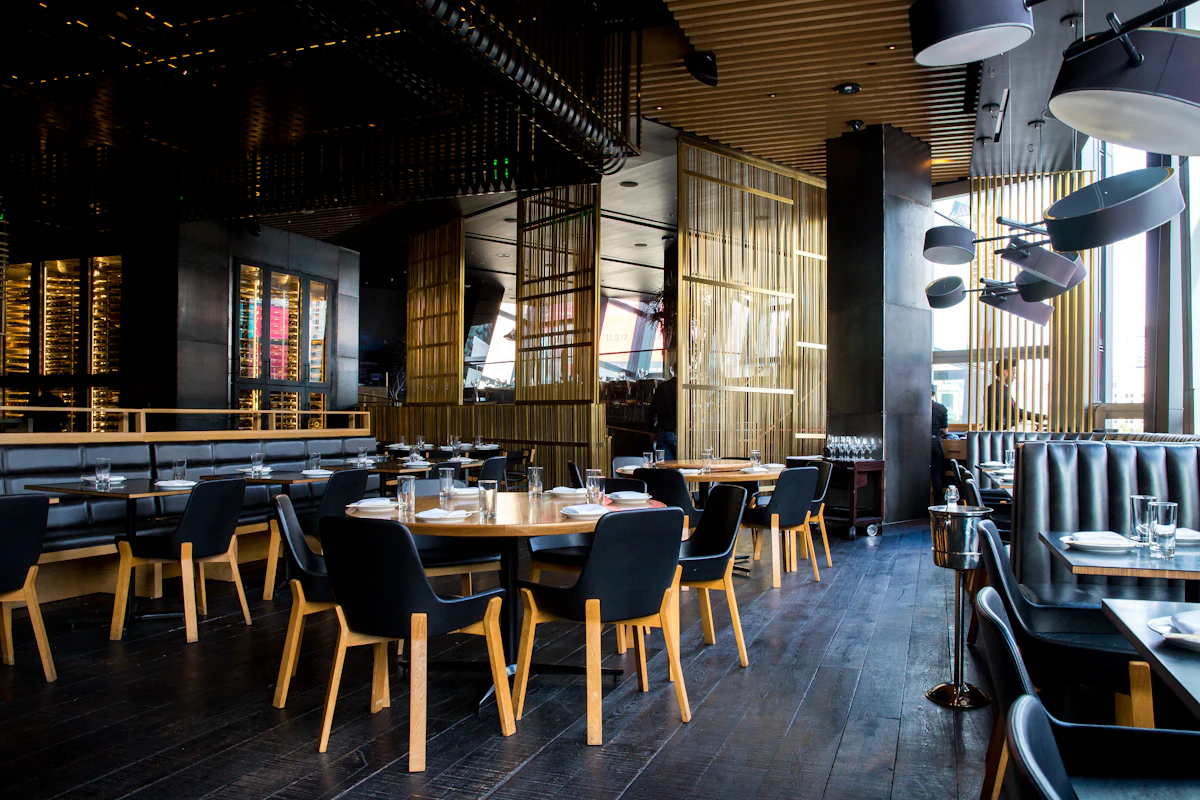
Café & bakery
1
Bar
1
Hotel
2
Activity
8 Activity
Koh Yao Yai, Thailand
Ao Muong Beach
Beach
ActivityKoh Yao Yai, Thailand
Ao Sai Beach
Beach
ActivityKoh Yao Yai, Thailand
Laem Haad Beach
Tourist attraction
ActivityKoh Yao Yai, Thailand
Lo Chak Beach
Tourist attraction
ActivityKoh Yao Yai, Thailand
Loh Pared Beach
Tourist attraction
ActivityKoh Yao Yai, Thailand
Pier und Fischerhafen Phru Nai
Viewpoint
ActivityKoh Yao Yai, Thailand
Son Bay Beach
Beach
ActivityKoh Yao Yai, Thailand
Yamee Village Kayaking Kohyaoyai
Tourist attraction