City guide
Koh Lanta
Koh Lanta is the slow, grown-up cousin of Krabi's more famous islands — a long, low-rise stretch of jungle and beach on the Andaman coast where nobody's in a hurry and nothing much happens after 11pm. The island runs about 30km north to south, fringed almost entirely by west-facing beaches that catch the sunset, with a jungled, hilly interior and a national park at its southern tip. Tourism only really took hold here in the last twenty-five years — before that Lanta was a quiet mix of Chinese-Thai traders, Muslim fishing communities, and Urak Lawoi "sea gypsies," and that layered history still shows: halal restaurants sit next to seafood shacks, calls to prayer carry over the beach bars, and Lanta Old Town's wooden stilt houses look almost untouched by the resorts a few kilometres away. It's known for its long run of quiet beaches, that atmospheric Old Town on the east coast, and easy boat access to some of the Andaman's best snorkeling and diving — the Four Islands trip and the Hin Daeng/Hin Muang dive sites both launch from here. Compared to Phuket or even Koh Phi Phi, Lanta is unhurried and much less built-up; compared to backpacker islands further south, it's more comfortable and family-friendly. It suits couples, families, divers, and slow-travel types more than the party crowd — think hammocks and sunset Chang beers over full moon parties, and a scooter rather than a schedule.
28 places we recommend · From Koh Lanta
Getting there
Koh Lanta has no airport of its own, so every route in ends with a boat or bridge crossing. Krabi International Airport is the standard gateway — about 1.5–2 hours from Saladan by road and car ferry — with frequent domestic flights from Bangkok (both Suvarnabhumi and Don Mueang, roughly 1h20 flight time) on Thai Airways, Thai Lion Air, Nok Air, and AirAsia, plus a handful of direct international routes and seasonal charters. From the airport, a pre-booked private transfer costs roughly 2,500–2,800 THB and covers the whole journey including the car ferry hop; a public minivan from Krabi bus station is the budget route at 350–450 THB but can take 2–4 hours depending on ferry queues, and only runs hourly until around 4pm, so late arrivals should book a private transfer instead. In high season (November–April) you can also take a passenger ferry direct from Krabi Town's Klong Jilad Pier, a more scenic if slower alternative, or a minivan-plus-speedboat combo that gets you to Saladan in about 1.5 hours. Trang Airport, roughly 2 hours away with its own onward ferry or transfer, is a workable backup if Krabi flights don't line up with your dates, though it has fewer connections and a smaller window of ferry departures — most travelers still find Krabi faster overall even with a longer initial flight search. If you're arriving via Phuket, expect either a road transfer down to Krabi and then the same ferry crossing, or, in high season only, a direct passenger ferry from Phuket's Rassada Pier (roughly 3–4 hours, sometimes routed via Koh Phi Phi) — useful if you're stringing Lanta together with Phuket and Phi Phi on one trip rather than flying each leg. Whichever route you take, that final crossing — currently a 15-minute car ferry from the mainland to Koh Lanta Noi, then a short drive over the existing bridge onto Koh Lanta Yai — is unavoidable for now; a second bridge connecting the mainland directly to the island was approved by Thailand's cabinet in mid-2026, but construction isn't expected to finish until around 2029, and ferry queues can already run long in peak season, so build in buffer time either side of the crossing.
Getting around
There's no airport on Koh Lanta, so however you arrive, the last leg involves a ferry crossing (for now — more on that below). From Krabi International Airport, the closest airport at roughly 1.5–2 hours away, a private taxi/transfer runs about 2,500–2,800 THB door to door and includes the car ferry hop across to the island; a public minivan from Krabi bus station is the budget option at 350–450 THB, running roughly hourly from 8am–4pm, but can take 2–4 hours depending on ferry queues (the last one leaves Krabi around 4pm, so arrange a private transfer if you land later). In high season (roughly November–April) there's also a scenic passenger ferry direct from Klong Jilad Pier in Krabi Town, stopping at Koh Jum before arriving in Saladan — a nicer way in if your flight timing allows it. The island itself sits across two landmasses, Koh Lanta Noi and Koh Lanta Yai, already linked by a bridge; it's only the final stretch — the car ferry from the mainland (Ban Hua Hin pier) to Koh Lanta Noi — that still requires a boat, a roll-on roll-off barge that takes about 15 minutes and runs 5am–midnight. A second bridge connecting the mainland directly to the island got Thai cabinet approval in mid-2026 with construction expected to start later that year, but it's not slated to open until around 2029 — so budget extra time for ferry queues for the next few years, especially in peak season and around Thai holidays, when waits of an hour or more aren't unusual. If you're island-hopping, high-season ferries also run direct between Saladan and both Koh Phi Phi (about 1.5 hours) and Phuket's Rassada Pier (roughly 3–4 hours, sometimes via Phi Phi) — a good way to link Lanta with the rest of a southern Thailand trip without flying. Once you're on the island, a scooter is genuinely the standard way to get around — Lanta stretches about 30km from Saladan down to the national park, so unless you're staying somewhere central you'll want your own wheels. Rentals run 200–300 THB/day with discounts for a week or more; wear the helmet, as police do check on the main road, and go slowly on the hillier southern stretches, which claim more than a few accidents each season. Taxis are unmetered pick-up trucks or minivans (200–500 THB depending on distance — always agree the price before you get in), tuk-tuks (motorbike sidecars) work for short hops at 50–150 THB, and car rental is available in Saladan or through hotels for 1,200–1,800 THB/day if you'd rather not ride two wheels. The island is flat enough along the west coast that a bicycle is also a genuinely pleasant, if sweatier, way to get between a beach and the nearest restaurant.
Apps to download
Don't expect to hail a ride here — Grab and Bolt both stop working the moment you cross onto the island (low demand plus the local taxi/truck association keeps ride-hailing off Lanta), so arrange transport the old-fashioned way: ask your guesthouse, flag down a truck-taxi on the main road, or negotiate directly with a driver. Grab is still worth having installed for the mainland side of the trip, though — it works fine at Krabi Airport and around Krabi Town if you need a ride before crossing over. For food delivery, the app people actually use on the island is KOHME, a Lanta- (and Koh Tao-) specific service for ordering from island restaurants and cafés and for booking day trips, transfers, and dive or snorkel tours — worth downloading before you land if you want something delivered to your bungalow or a tour booked without haggling in person. 12Go is the easiest way to check and book ferry, minivan, and transfer schedules in advance, which matters more here than in most places given how ferry-dependent getting on and off the island is. Google Translate's camera mode earns its keep for reading Thai-only menus at the more local spots set back from the beach roads, and it's worth having Google Maps downloaded offline — Saladan and the main road have decent signal, but coverage gets patchy down toward the national park and in the hills. A currency or Wise app for exchange rates is handy too, since a fair number of smaller places, especially the night market and Old Town stalls, are cash-only.
Good to know
Lanta runs on Thai island time — things open when they open, and chasing a schedule too hard defeats the point of coming. Cash still rules outside the resorts: ATMs are easy to find in Saladan and along the main beach road, but ones further south around Kantiang Bay and beyond can run out of cash or be out of service, so stock up before heading down island, and carry small notes for the night market, tuk-tuks, and beach bar tabs. Tipping isn't obligatory but rounding up or leaving 10% for good service at restaurants is appreciated and increasingly expected in touristy spots; bargaining is normal at markets and with tuk-tuk/taxi drivers but not at restaurants or convenience stores. High season is roughly November–April, when the sea is calm and most businesses are open; May–October is monsoon season, when the sea can get genuinely rough, some southern beach bars and bungalows close up entirely for weeks or months, boat tours get cancelled at short notice, and ferry schedules thin out — worth building slack into your plans if you're visiting then, though late season (September–October) can still deliver plenty of sunny days between storms. A small thing that trips people up: always confirm a taxi or tuk-tuk price before getting in, since there are no meters, and if you use a beach bar's loungers, order a drink — it's the unwritten deal that keeps the beach free and clean. Mu Ko Lanta National Park charges a small entrance fee (around 400 THB for foreign adults) covering the lighthouse viewpoint and southern beaches, payable in cash at the gate. Lanta has a real Muslim community, especially around Saladan and the Old Town, so it's worth dressing a little more modestly away from the beach itself and being mindful during Ramadan, when some local-run restaurants adjust their hours. Rip currents can be an issue at the more exposed beaches, including Long Beach and parts of Klong Dao, during monsoon swells, so pay attention to any flag warnings; jellyfish also turn up occasionally in the same period. Bring proper mosquito repellent for evenings near the jungle-backed bays, and note the island has resident troops of monkeys around the national park and Old Town — don't feed them and keep food out of sight.
Where to stay
Saladan, in the far north, is where the ferry drops you and where the island's most walkable concentration of restaurants, shops, banks, and pier-side nightlife sits — the beach itself isn't Lanta's prettiest, but it's the easiest base if you don't want a scooter and want to be near the night market and the boat piers for day trips. Klong Dao, just south of Saladan and Lanta's longest beach, is the island's family favourite — calm, shallow water, the highest concentration of mid-range resorts (Tropicana Lanta Resort is a solid example), and still relatively uncrowded even in high season. Long Beach (Phra Ae), the next stretch down, has a slightly younger, more boutique feel with a good spread of beach bars and yoga studios without tipping into full backpacker territory. Klong Khong, just south again, is Lanta's low-key surf and backpacker corner — a rockier, more local-feeling beach with a handful of simple budget bungalows and a viewpoint worth the short walk up. Klong Nin, roughly the midpoint of the island, is where a lot of repeat visitors end up staying — clear, rock-free water, a genuinely chill, un-partyish vibe, boutique bungalow stays like Bee Bee Bungalow and The Lazy Lodge, and a small food market and cluster of beach bars, making it a strong all-round base if you want beach quiet with just enough going on. Kantiang Bay, further south, is the most developed of the southern bays but still feels like a hideaway, backed by hills, known for one of the island's best sunsets, and home to standout stays like Lanta Lazy Days Bungalows. Beyond Kantiang, Relax Bay and the coves toward the national park — where simple setups like Klong Jark Bungalow dominate — are the pick if you want real isolation and don't mind a longer scooter ride to a restaurant; this southern stretch is also where the most beach bars and bungalows close down entirely over the May–October monsoon, so check ahead if you're visiting off-season. Lanta Old Town, on the sheltered east coast, is worth considering too if you want atmosphere over beach access — a handful of guesthouses sit right among the stilt houses and over-water seafood restaurants, a short scooter ride from the west-coast beaches.
Where to eat
Saladan does double duty as the island's food hub: Yawee Restaurant (halal, hugely popular for its Massaman curry and one of the biggest vegetarian/vegan menus on the island) and Kraken Lanta (the island's go-to burger joint, with easily the biggest craft beer list on Lanta) both sit right near the pier and are worth planning a meal around. A little further south around Klong Khong and Klong Nin, Malina's Kitchen has been a fixture for over a decade — solid Thai-and-Western comfort food from the original Khlong Khong spot, now with a second branch near Saladan — and The BACKYARD is the pick for brunch, coffee, and açai bowls if you need a break from noodles. Klong Nin is also where Kinsenn Lanta has built a following for more elevated, still-unfussy Thai cooking, good for a slightly dressier night out without leaving the beach-casual mood behind. Down in the south, Same Same But Different sits right on the sand at Kantiang Bay with driftwood decor and genuinely good tom yum, best timed for sunset, while South and Sea Beach Bar & Restaurant nearby covers similar ground with solid Thai seafood in an easy-going beach-bar setting. Beyond those, keep an eye out for Phad Thai Rock n Roll, Yang Garden, M Thai Food, and Krua Dan Tai — all solid, well-reviewed, everyday Thai spots scattered up and down the island that locals actually eat at, reliable for a straightforward plate of pad thai or a curry without any ceremony. Don't skip Lanta Old Town for a meal even if you're not staying there — its stilt-house restaurants built out over the water serve some of the island's best fresh seafood (grilled grouper, snapper, and tiger prawns are the move), and a sunset dinner there is one of Lanta's signature experiences. For a low-key sundowner with food as an afterthought, Big Tree Beer Garden is the spot — order a drink, find a patch of grass or sand, and watch the sun go down over Klong Dao.
Food to try
Southern Thai cooking here leans spicier and more turmeric-forward than what you'll have had in Bangkok or Chiang Mai, shaped by generations of Muslim, Thai-Chinese, and Urak Lawoi sea gypsy communities living side by side. Massaman curry is the dish to seek out — slow-cooked beef, chicken, or lamb with potatoes, peanuts, and coconut milk, spiced with cardamom, cinnamon, and star anise, rich and sweet rather than fiery, and best at halal Muslim-run kitchens like Yawee Restaurant in Saladan. Fresh seafood is the other constant: grouper, red snapper, squid, tiger prawns, and blue crab come straight off the boats at Saladan pier and are usually grilled whole over charcoal with a simple lime-fish sauce-chili dip, nowhere better than at the over-water restaurants in Lanta Old Town. Look out too for southern specialties that rarely make it onto tourist-facing menus: khao yam, a herbed rice salad tossed with lime, toasted coconut, and dried shrimp; and a shredded green mango salad dressed with nam budu, a pungent southern Thai fermented fish sauce, and ching chang — small sun-dried, anchovy-like fish unique to this stretch of coast. Tom yum here usually means tom yum talay, a mixed-seafood version with squid, prawns, fish, and mussels in the classic sour-spicy lemongrass and galangal broth — Same Same But Different at Kantiang Bay does a well-regarded one. Roti canai (griddled flatbread, sweet or savoury) turns up at breakfast stalls and Muslim-run cafés, especially around Saladan and Old Town, and is worth hunting down before it sells out mid-morning. Wash it down with an ice-cold Chang or Singha at a beach bar, a fresh coconut straight off the tree, or one of the fruit shakes — mango and dragon fruit are the standouts in season — sold from carts along the main beach roads.
Where to shop
Koh Lanta isn't a shopping destination and that's kind of the point, but Saladan's night market (also called the Walking Street or Saladan Weekend Market, despite running every night from around 4–10pm) is the place to go — stalls of clothing, jewelry, souvenirs, dry bags and travel odds-and-ends alongside grilled seafood and Thai street snacks, right by the pier. Bargaining is expected on goods but not on food or drinks. Lanta Old Town runs its own street market on weekends (roughly 11am–10pm), when the main lane fills with local food stalls, handmade crafts, and small galleries and antique shops worth a slow wander even outside market hours — it's a better bet than Saladan for something that feels distinctly Lanta rather than generic beach-town souvenirs, like carved wooden pieces or woven textiles. Klong Nin has a few laid-back boutiques selling batik sarongs and beachwear, plus a small local market if you want fruit, snacks, or basics beyond souvenirs. For anything practical — sunscreen, a dry bag, a rash guard — the minimarts and 7-Elevens clustered in Saladan and along the main road are the reliable fallback, and dive shops around Klong Dao and Klong Nin sell or rent decent snorkel and dive gear if you didn't pack your own.
Things to experience
Lanta Old Town (Ban Koh Lanta) is the must-do — a row of century-old wooden stilt houses and shopfronts along the east-coast pier, originally a Chinese-Thai trading post, with low-key seafood restaurants that are best at sunset and a small Chinese shrine worth a look. Mu Ko Lanta National Park, at the island's southern tip, has a lighthouse viewpoint, walking trails, and quieter beaches like Bamboo Beach and Nui Bay, both well worth the ride down and best combined with a stop at the sea gypsy (Urak Lawoi) village of Baan Sangka-U on the way — one of the last places on the island where a centuries-old fishing culture carries on largely unaffected by tourism. The classic day out is a Four Islands tour by longtail or speedboat — snorkeling at Koh Chuak and Koh Ma, swimming through the tunnel into Koh Mook's Emerald Cave lagoon, and lunch on the beach at Koh Kradan or Koh Ngai — and it's genuinely one of the best day trips in the Andaman. Closer to home, beach-hop between Long Beach, Kantiang Bay, and the viewpoint above Klong Khong, hike inland to Klong Chak Waterfall (best after rain, weak or dry at the height of the dry season), or just settle in for sunset drinks at a spot like Big Tree Beer Garden. Divers and snorkelers use Lanta as a base for trips out to Hin Daeng and Hin Muang, two of the best (and more advanced) dive sites in Thailand — dramatic limestone pinnacles and coral walls where mantas and even whale sharks turn up between February and April; Koh Ha's swim-throughs and caverns are the gentler, still-excellent alternative for newer divers or snorkelers on the same boats. Yoga and wellness have quietly become part of Lanta's identity too — several long-running studios around Long Beach and Klong Nin run daily drop-in classes and multi-day retreats, fitting the island's slow-travel reputation. If you'd rather cook than just eat, a handful of small cooking schools, often attached to guesthouses around Klong Dao and Klong Nin, run half-day classes built around the same southern Thai dishes you'll have been eating all week.
Places in Koh Lanta
28 places we personally recommend — 12 restaurant, 1 café & bakery, 5 hotel, 9 activity, 1 other.
Restaurant
12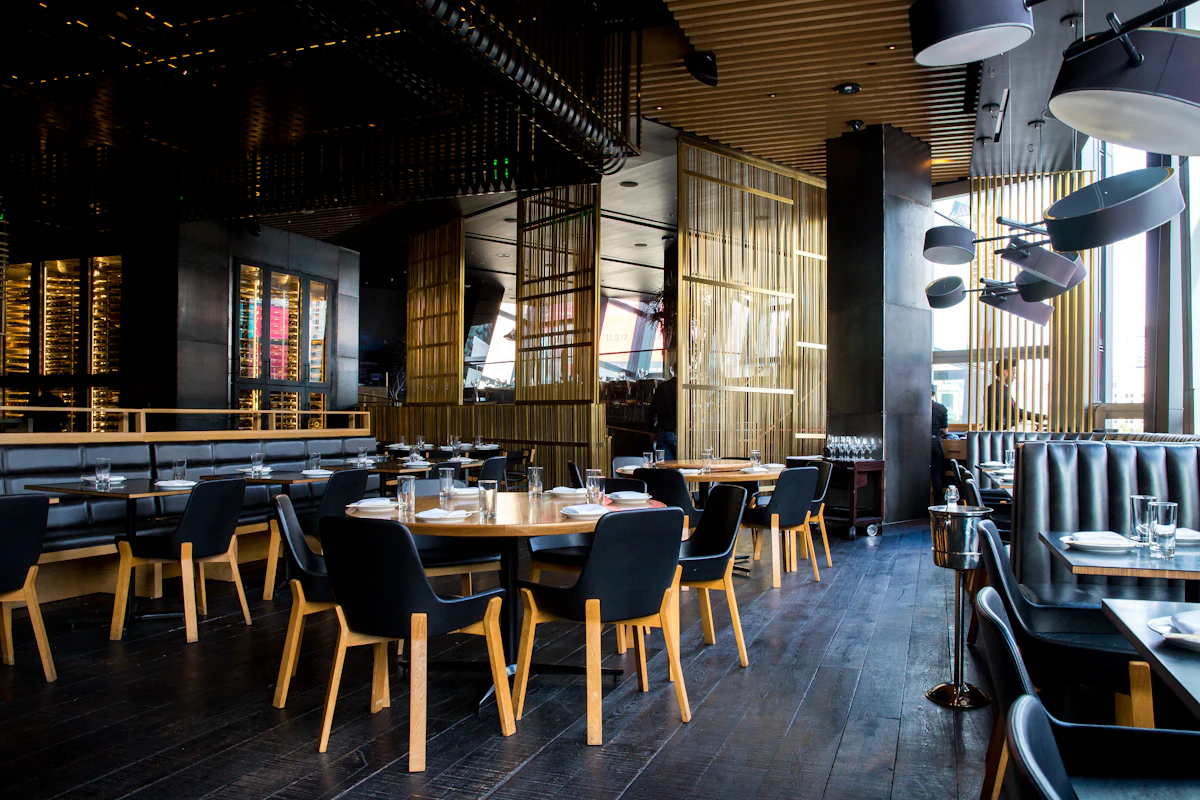 Restaurant$
Koh Lanta, Thailand
Big Tree Beer Garden
Beer garden
Restaurant$Koh Lanta, Thailand
Kinsenn Lanta
Restaurant
Restaurant$$Koh Lanta, Thailand
Kraken Lanta
Burgers
Restaurant$Koh Lanta, Thailand
Krua Dan Tai Restaurant
Restaurant
Restaurant$Koh Lanta, Thailand
M Thai Food
Thai
Restaurant$Koh Lanta, Thailand
Malina's Kitchen
Restaurant
Restaurant$Koh Lanta, Thailand
Phad Thai Rock n Roll
Restaurant
Restaurant$Koh Lanta, Thailand
Same Same But Different Restaurant
Thai
Restaurant$Koh Lanta, Thailand
South and Sea Beach Bar & Restaurant
Thai
Restaurant$$$Koh Lanta, Thailand
Yang Garden Restaurant
Restaurant
Restaurant$Koh Lanta, Thailand
Yawee Restaurant
Restaurant
RestaurantKoh Lanta, Thailand
ร้านส้มตำจ๊ะแตน
Restaurant
Café & bakery
1
Hotel
5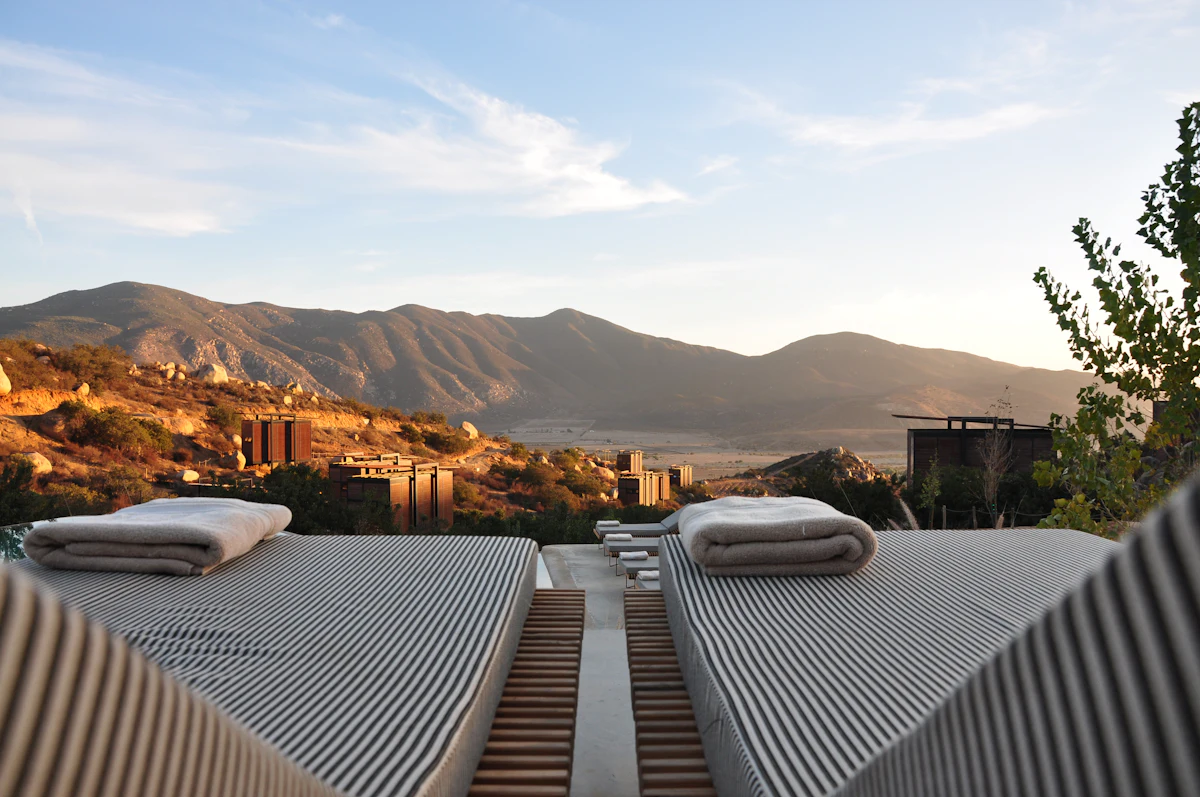 Hotel
HotelKoh Lanta, Thailand
Bee Bee Bungalow
Hotel
HotelKoh Lanta, Thailand
Klong Jark Bungalow
2-star hotel
HotelKoh Lanta, Thailand
Lanta Lazy Days Bungalows
3-star hotel
HotelKoh Lanta, Thailand
The Lazy Lodge
Hotel
HotelKoh Lanta, Thailand
Tropicana Lanta Resort
3-star hotel
Activity
9 Activity
Koh Lanta, Thailand
Bamboo Beach
Beach
ActivityKoh Lanta, Thailand
Kantiang Bay
Beach
ActivityKoh Lanta, Thailand
Klong Khong Beach
Viewpoint
ActivityKoh Lanta, Thailand
Lanta Klong Nin
Beach
ActivityKoh Lanta, Thailand
Lanta Old Town
Tourist attraction
ActivityKoh Lanta, Thailand
Long Beach, Koh Lanta
Beach
ActivityKoh Lanta, Thailand
Mu Ko Lanta National Park
National park
ActivityKoh Lanta, Thailand
Nui Bay
Tourist attraction
ActivityKoh Lanta, Thailand
Relax Bay
Tourist attraction
