- Currency
- Spain uses the euro (€, EUR), same as most of its western European neighbours. Cards are widely accepted almost everywhere, from tapas bars to train stations, but it's smart to carry some cash for small cafés, markets, and tipping.
- Language
- Spanish (Castellano) is the official language nationwide, but Spain is more linguistically diverse than many visitors expect — Catalan is co-official in Catalonia (including Barcelona), Basque in the Basque Country, and Galician in Galicia. English gets you by in major cities and tourist hubs, but a few Spanish phrases go a long way, especially once you're off the beaten path.
- Visa
- Good news for Swedish and other EU passport holders: as an EU citizen you can enter Spain freely with just a valid passport or national ID card — no visa needed, and no limit on how long you can stay, since Spain is part of the EU/Schengen area just like Sweden. The upcoming ETIAS system, expected to roll out later in 2026, is aimed at non-EU travellers and shouldn't apply to you. As always, it's worth double-checking current entry requirements on an official government source shortly before you fly, since rules can change.
- Power
- Spain uses Type C and Type F plugs — the standard two round-pin European style. Coming from Sweden, you're already sorted, since Sweden uses the same plug types and no adapter is needed. Travellers from the UK, US, or other regions with different plug shapes will want to pack one. · Standard voltage is 230V at 50Hz, the same as Sweden, so Swedish appliances and chargers work without a converter — just plug in and go.
- Best time
- Aim for late spring (April to June) or early autumn (September to October), when temperatures are pleasant, the light is beautiful, and the summer crowds have thinned out. July and August can be brutally hot, especially inland and in the south, with temperatures regularly climbing past 35°C, so if you want beach weather without the heat exhaustion, shoulder season is the sweet spot.
- Safety
- Spain is one of Europe's safer countries to travel in, and violent crime against tourists is rare. The main thing to watch for is pickpocketing — especially on the Barcelona metro, around crowded landmarks, and at outdoor restaurant terraces, where a phone left on the table can disappear in seconds. Keep bags zipped and where you can see them in crowds, and you'll most likely have a completely uneventful trip.
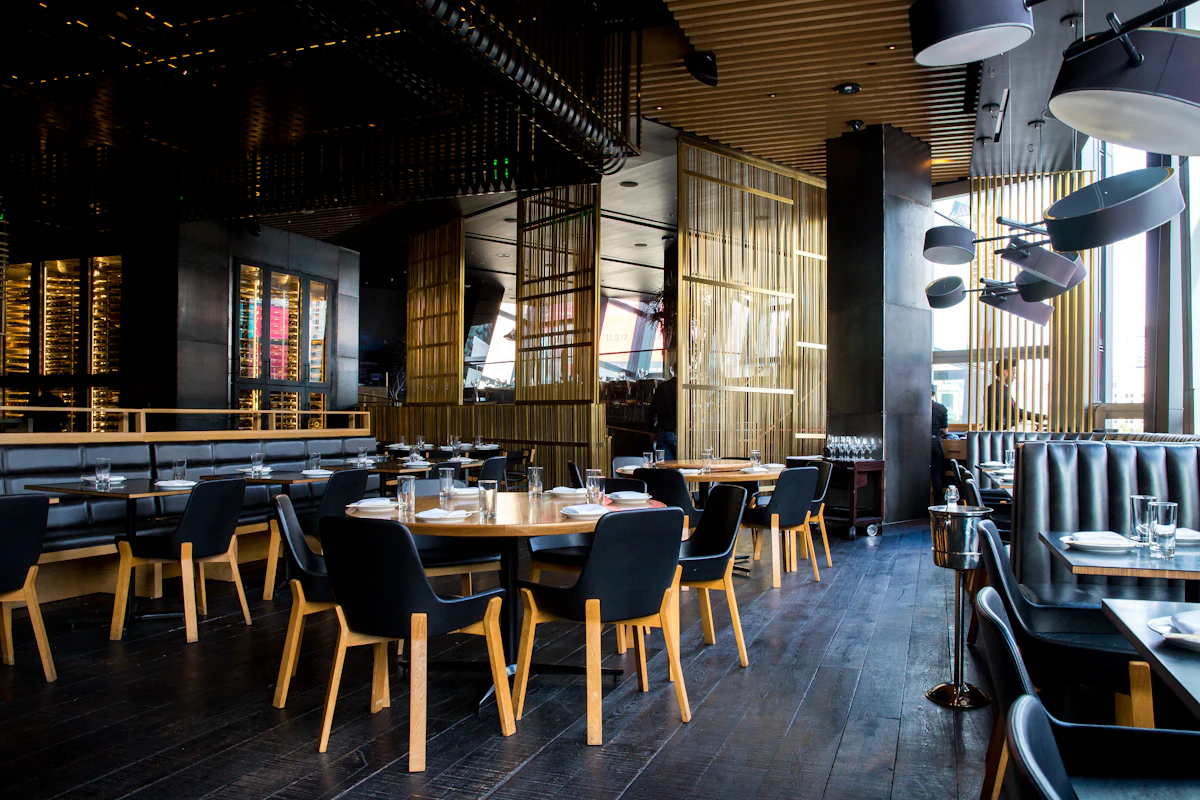
Tipping is genuinely optional in Spain — locals just round up the bill or leave a few euros for good service, nothing like the 15-20% expected elsewhere, and it's not customary at all for drinks or tapas at the bar. Meal times run late by northern European standards (lunch around 2pm, dinner rarely before 9pm), so don't expect restaurants to be in full swing much earlier. Watch for classic distraction scams in busy tourist areas — someone pointing out a "stain" on your jacket while an accomplice goes for your bag — and keep valuables out of easy reach on public transport.