City guide
Copenhagen
Copenhagen is easy, walkable, and quietly self-assured — a compact capital of under 700,000 people where hygge isn't a marketing gimmick but genuinely how people live, from candlelit cafés in January to spontaneous harbor swims the second the sun comes out in May. It's a city built at a human scale: no real skyline, no sprawl to fight through, just canals, cobblestones, and church spires you can navigate by memory after a day or two. Expect New Nordic food culture at every price point (this is the city that gave the world Noma and then quietly built a whole ecosystem of excellent, less famous restaurants around it), pastel 17th-century harborfront streets, some of the best furniture and homeware shopping in Europe, and a capital that doesn't need to shout to impress you. It suits couples, design lovers, food people, cyclists, and anyone who wants a city break that doesn't require a rental car or 20,000 miserable steps — pretty much everything worth seeing sits within a 30-minute bike ride of the center, and the whole place is flat. Locals are reserved at first — don't expect small talk on the Metro — but genuinely warm and direct once you actually ask them something, and nearly everyone speaks fluent, confident English, so the language barrier that exists on paper never really shows up in practice. Summers (June-August) bring long light and packed harbor baths; winters are dark and cold but this is when the city's café culture and candlelight really make sense — either season works, they just deliver a different city.
9 places we recommend
Getting there
Copenhagen Airport (CPH), on the island of Amager just 8km south of the city center, is the main gateway and the biggest hub in Scandinavia — it's SAS's home base, with direct flights from most major European cities plus a solid handful of long-haul routes from North America and Asia, so a direct flight is realistic from most starting points. From the airport, the Metro's M2 line and regional trains both run into central Copenhagen in about 13-15 minutes, departing every few minutes all day, so there's no need to prebook a transfer. If you're coming from elsewhere in Scandinavia, the train is often more pleasant than flying: the Öresund line crosses the bridge from Malmö, Sweden in about 35 minutes, making Copenhagen and Malmö an easy combined trip or even a day-trip pairing. From Germany, direct trains run Hamburg to Copenhagen via Odense and the Great Belt bridge, taking roughly four and a half to five hours — a faster route via a new Fehmarn Belt tunnel is under construction and should shorten that trip once it opens later this decade. Coming from Norway, the Go Nordic Cruiseline overnight ferry (the old DFDS route) sails between Oslo and Copenhagen year-round — a slower option, but a genuinely scenic and comfortable way to arrive if you'd rather not fly. Long-distance buses (Flixbus and similar operators) also connect Copenhagen to Hamburg, Berlin, and other northern European cities at a lower price than the train, if you're not in a hurry.
Getting around
The Metro's M2 line runs straight from Copenhagen Airport (CPH) to Kongens Nytorv and Nørreport in about 13-15 minutes, runs 24/7, and costs around 30-40 DKK for a single ticket covering 3 zones — it's genuinely one of the easiest airport transfers in Europe, no advance booking needed. Once you're in the city, walking and cycling cover almost everything: Copenhagen has over 450km of dedicated, physically separated bike lanes, and renting a city bike for a day is often faster than a taxi for short hops across town — expect to cover Indre By to Vesterbro or Nørrebro in 10-15 minutes flat. A few cycling rules that matter: keep right unless passing, always signal turns with your arm, never walk in the bike lane (locals will not swerve for you), and lock your bike properly since theft is common. The Metro's M3 Cityring loop, opened in 2019, added a ring line that makes cross-town hops (say, Nørrebro to Christianshavn) much faster than it used to be, and along with the M1/M2 and S-train network it's fast and punctual to a fault. Buy tickets through the Rejsebillet app rather than relying on a physical Rejsekort, which is being phased out through 2026; if you're doing heavy sightseeing, the Copenhagen Card (covering public transport plus museum entry) can pay for itself within a couple of days. Taxis and rideshares exist but run pricey by European standards — a cross-town ride can easily hit 150-200 DKK — so save them for late-night trips, luggage-heavy airport runs, or bad weather rather than everyday hops. Skip renting a car entirely: parking is scarce and expensive, the city center is designed bike-first with restricted car access on streets like Strøget, and everything worth doing is a walk, bike ride, or Metro stop away.
Apps to download
Rejsebillet (which replaced the old DOT Billetter app in 2026) is what you want for metro, bus, and train tickets — buy before you board, since inspectors do check and fines are steep for fare-dodging tourists. Donkey Republic is the go-to app for renting a city bike by the hour or day, and it's arguably the single most useful app for actually seeing Copenhagen the way locals do — unlock a bike with your phone, ride where you like, lock it up anywhere within the operating zone. Rejseplanen is the classic Danish journey planner and still the most reliable option for combining Metro, train, and bus routes if Google Maps gives you a strange transfer. Uber returned to Denmark in 2025 in partnership with local taxi company DRIVR (an all-electric fleet), so it works again for on-demand rides, alongside homegrown options like Taxa 4x35. For food delivery, Wolt is the dominant local app and worth having if your stay has a kitchen or you just want a quiet night in; Uber Eats also launched in Copenhagen in 2026 as a newer alternative. MobilePay, Denmark's own payment app, is used everywhere locals pay each other back — you won't need it as a tourist, but you'll see it on every till alongside the card reader. Cash is nearly obsolete here, so don't bother downloading a currency converter for coins; your card, with contactless enabled, is really all you need for the entire trip.
Good to know
Tipping isn't expected anywhere — service is included in the price by law, so skip the instinct to leave 20%; rounding up a few kroner at a bar or café is plenty, and doing more just marks you out as a tourist. Danes take punctuality seriously (even a slightly late train draws complaints), so show up on time for reservations, tours, and especially anything involving a Dane's calendar. Cash is nearly obsolete — tap-to-pay is used for everything from bakery pastries to flea market stalls, and some places won't accept cash at all, so don't bother exchanging much currency before you arrive. Tap water is excellent and safe straight from the tap across the city — locals refill bottles rather than buy water, and you should too. Many of the well-regarded restaurants are genuinely small, so book ahead for dinner if you have somewhere specific in mind; walking in works fine for casual lunch spots and bakeries. Sunday closures are less strict than they used to be, but plenty of small shops still close or run reduced hours, so plan any serious shopping for a weekday or Saturday. Bring layers regardless of season — the weather can flip from sun to drizzle in the same afternoon, even in July, and Danes just get on with it in raincoats rather than canceling plans. The city is very LGBTQ-friendly and generally very safe to walk at night, though standard city awareness around bags and phones still applies near Central Station and the busiest tourist stretches of Strøget and Nyhavn. And skip renting a car: parking is scarce and expensive, the city center is designed bike-first, and everything worth doing is a walk, bike ride, or Metro stop away.
Where to stay
Indre By (City Centre) is the historic core, walking distance to Tivoli, Nyhavn, and Strøget — convenient and beautiful, with cobbled lanes and canal views, but home to the priciest hotels in the city and the most tourist foot traffic. Vesterbro offers the best value-for-location, built around the old Meatpacking District (Kødbyen), full of bars and restaurants, and a 10-minute walk to Central Station and Tivoli — good for couples and anyone who wants food and nightlife within stumbling distance; it was Copenhagen's red-light district a generation ago and has fully flipped into one of the city's most desirable, design-conscious neighborhoods. Nørrebro is the budget-friendly, multicultural, locals' choice — Time Out once named it one of the coolest neighborhoods in the world — with fewer tourists, a strong café and bar scene along streets like Jægersborggade, and Superkilen park's wildly eclectic public art as a genuine local landmark. Christianshavn is quieter and canal-lined, loosely modeled on Amsterdam, and a good pick if you want waterfront walks and houseboats while staying a 15-minute walk from the center; it's also the closest base if Freetown Christiania is on your list. Østerbro is Copenhagen's quietest, greenest, most residential central district — wide tree-lined streets, Fælledparken (one of the city's largest parks), and a genuinely local, family-oriented feel if you want to stay somewhere that isn't performing for tourists. Frederiksberg, technically its own municipality tucked between Vesterbro and Nørrebro, is the poshest option — broad boulevards, leafy gardens, and a slower pace — worth it if you want a quieter, more residential stay that's still an easy walk or short bike ride from everything.
Where to eat
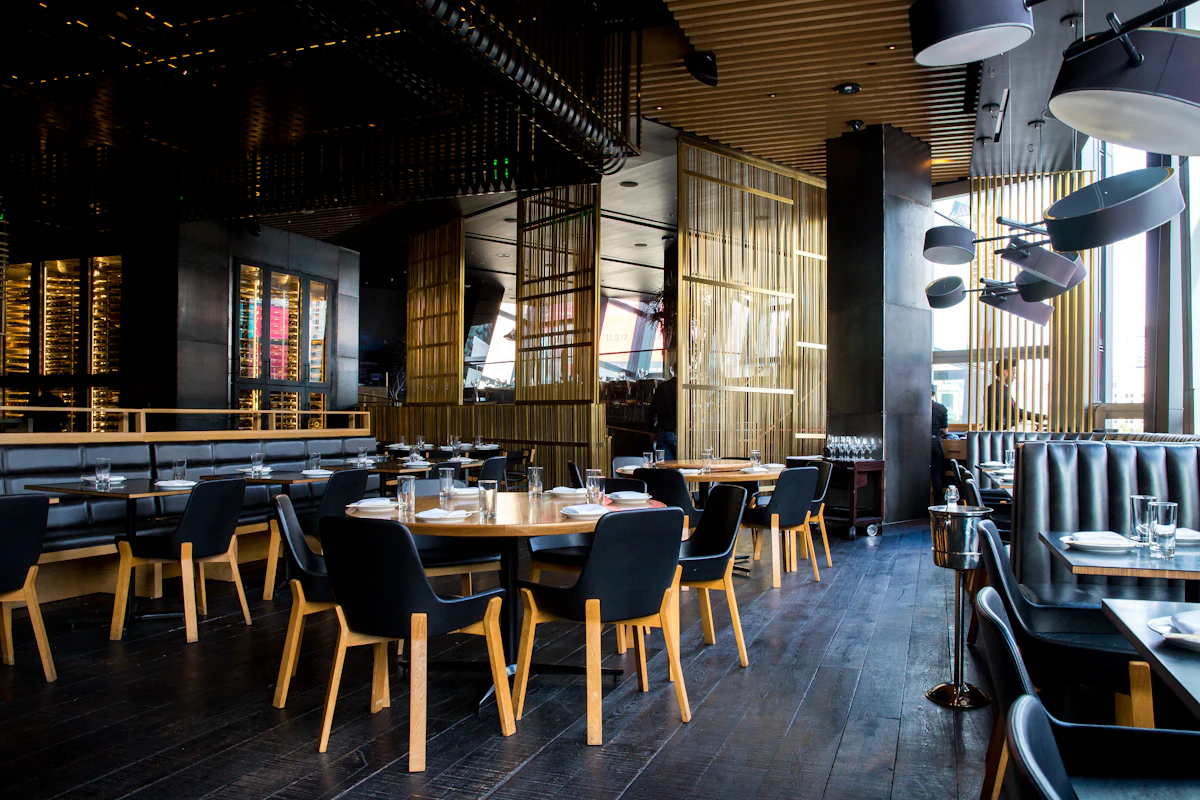
Torvehallerne, the glass-walled food market near Nørreport, is the best single stop for grazing — TorvehallerneKBH is one of the highest-rated spots in the city for a reason, with dozens of stalls under one roof for smørrebrød, cheese, coffee, and fresh produce; go hungry and share plates between two or three stalls rather than committing to one. For a proper night out, head to Kødbyen (the Meatpacking District) in Vesterbro, where old butcher warehouses now hold some of the city's best casual restaurants — Otto and Mio both turn out excellent wood-fired pizza in that neighborhood, making for an easy pizza-and-natural-wine crawl on a warm evening. For something fast and no-fuss, Hero Deli is the move for a proper sandwich without sitting down for an hour, and it's one of the highest-rated casual spots in the city among locals and visitors alike. Don't skip a Danish bakery either — Lagkagehuset is the ubiquitous local chain, and a cardamom bun or a wienerbrød from one is the correct way to start a day of walking. From April to October, Reffen on Refshaleøen (a former shipyard island past Christianshavn) is Northern Europe's largest street food market — 50-plus stalls covering everything from Vietnamese to Danish barbecue, right on the harbor, and worth the slightly longer bike ride out. Nørrebro rounds things out with a more multicultural, lower-key food scene worth wandering into if Vesterbro feels too polished — this is where to find some of the city's best kebab, ramen, and Middle Eastern grocers alongside its Danish cafés.
Food to try
Smørrebrød is the dish to build a lunch around — dense rye bread (rugbrød) topped with a single, carefully arranged topping, eaten open-faced with a knife and fork, never picked up like a sandwich. The classics worth ordering by name: marineret sild (pickled herring with onion, capers, and egg), roastbeef med remoulade (cold roast beef with remoulade, crispy fried onions, and pickled cucumber), and stjerneskud ("shooting star") — a more indulgent version stacking steamed and fried plaice, shrimp, and caviar. Hallernes Smørrebrød inside Torvehallerne is a reliable, unpretentious place to try a few varieties without committing to a sit-down restaurant. Beyond smørrebrød, look for frikadeller (pan-fried pork and veal meatballs, usually with potatoes and gravy), stegt flæsk med persillesovs (crispy fried pork belly with parsley sauce — voted Denmark's actual national dish in a public vote), and flæskesteg (roast pork with crackling) if you're around in the colder months. Danish bakeries are a category of their own: get a kanelsnegl (cinnamon roll) or a cardamom bun from Lagkagehuset, or seek out a proper wienerbrød — what the rest of the world calls a "Danish" — from a real bakery rather than a supermarket version, since the difference is significant. A pølsevogn (hot dog cart), still scattered around the city, is the correct late-night food, loaded with remoulade, ketchup, mustard, raw and fried onions, and pickles. Copenhagen also takes its coffee and craft beer seriously: Coffee Collective, with a roastery on Jægersborggade in Nørrebro, is the benchmark for the city's specialty coffee scene, and Mikkeller and BRUS are the names to know if you want to understand why Danish craft beer punches so far above its weight. And if the budget allows one genuinely special meal, this is the city that put New Nordic cuisine on the map via Noma — book months ahead if that's the goal, but the same foraged, hyper-seasonal philosophy shows up at dozens of more accessible restaurants across town.
Where to shop
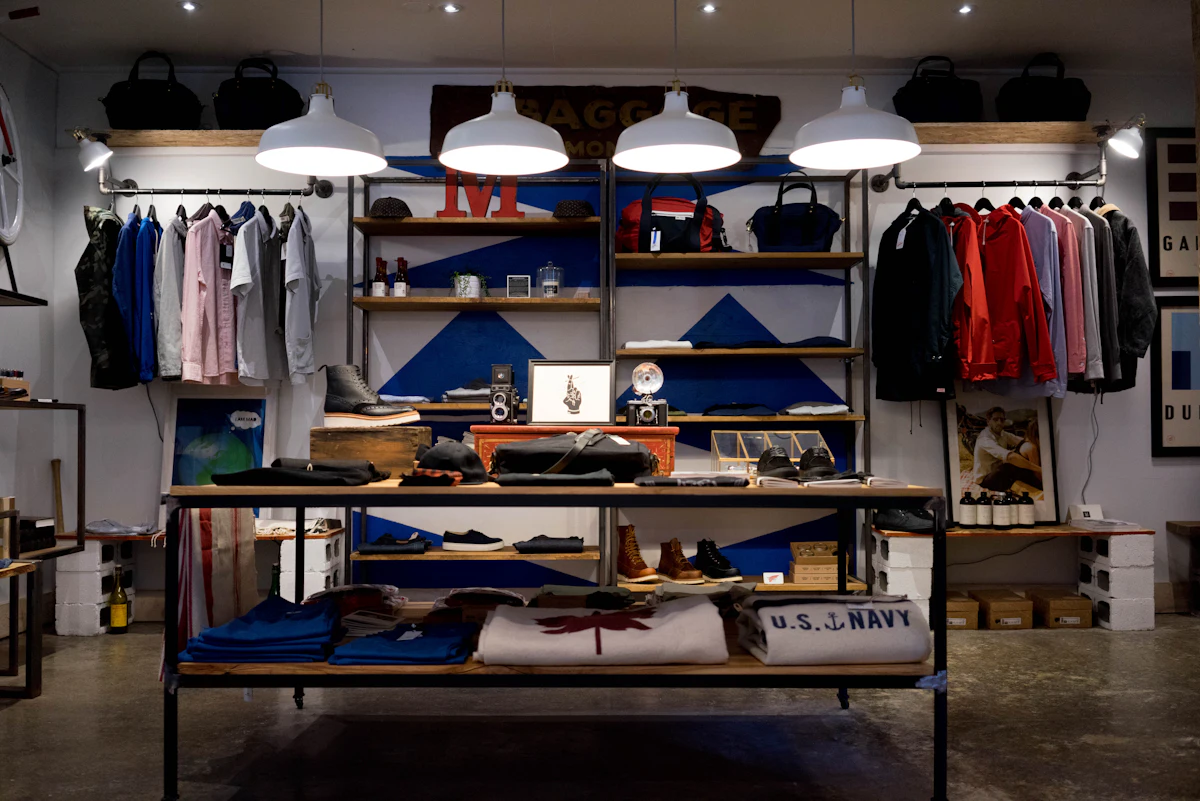
Strøget is the obvious starting point — Europe's longest pedestrian shopping street, running from City Hall Square to Kongens Nytorv, mixing international brands like Prada and Louis Vuitton with high-street names like H&M and Zara. The real reason to walk it, though, is Danish design: HAY House, the flagship store for Danish design brand HAY, sits right on Østergade (part of Strøget) and is worth the detour even if you're not buying — two floors of furniture, lighting, and homeware that basically defines the current Scandinavian look; Illums Bolighus nearby is the older, more established version of the same idea, spanning multiple Danish and Nordic design houses under one roof. For something less mainstream, Jægersborggade in Nørrebro is 600 meters of independent shops — ceramics, vintage clothing, small galleries, and the original Coffee Collective roastery — and feels much more like the street locals actually shop on; Basic & More, a well-loved neighborhood shop, is worth a browse while you're there. If your trip lines up with a Saturday, the flea market at Israels Plads (right by Torvehallerne) is one of the best in the city for vintage finds and secondhand Danish design at a fraction of retail price. Kødbyen also has a handful of design and kitchenware stores tucked between the restaurants, good for a serious knife or a nice ceramic mug, and Ravnsborggade in Nørrebro is the go-to strip for antiques if you want something with more history than a design-store shelf.
Things to experience
Nyhavn is the postcard shot for a reason — the candy-colored 17th-century harborfront lined with boats — but go for a drink at golden hour rather than just a photo and move on; it's one of the highest-rated spots in the city among visitors and it earns it. Book a 60-minute canal tour departing from Nyhavn; it loops past the Opera House, the Black Diamond library, and the Little Mermaid statue, then continues into Christianshavn's quieter houseboat canals — genuinely one of the best low-effort ways to see the city. Tivoli Gardens, the world's second-oldest amusement park and the actual inspiration for Disneyland, is worth an evening visit once the lights come up over the lake. Kastellet, the star-shaped 17th-century fortress-turned-park, is a beautiful, free spot for a walk or a picnic and sits right next to the Little Mermaid. If you want to see the other side of Copenhagen, Freetown Christiania — the self-governing, bohemian former military area — is unlike anywhere else in Scandinavia; go with an open mind, and leave the camera in your bag where signs ask you to. Climb the Round Tower (Rundetaarn) in the Latin Quarter for one of the best free-standing city views, reached by a spiral ramp rather than stairs — a 17th-century astronomer's quirk that makes it easy on the legs. For something more Copenhagen-specific, ride the elevator up CopenHill, the waste-to-energy plant in Amager with a working ski slope, hiking trail, and climbing wall built onto its roof — a genuinely bizarre and brilliant piece of civic design, and the rooftop bar and views are free even if you skip the skiing. And on a warm day, join locals at one of the harbor baths (havnebad) — Islands Brygge is the classic one, with five pools including diving boards, right across the water from the center — swimming in the actual harbor is a sign of just how clean Copenhagen's water has become, and it's one of the most quietly memorable things you can do here.
Places in Copenhagen
9 places we personally recommend — 3 restaurant, 1 café & bakery, 1 activity, 2 shopping, 2 other.