City guide
Chiang Mai
Chiang Mai was the capital of the old Lanna kingdom for over 700 years, founded in 1296 by King Mengrai, and that history is still the backbone of the place — a fully moated, walled Old City packed with more temples per square kilometer than almost anywhere else in Thailand, ringed by a modern city that's grown up around it without ever quite swallowing it. It sits in a river valley surrounded by forested mountains, with Doi Suthep looming over the western skyline and visible from half the city on a clear day. The pace here is genuinely different from Bangkok: fewer honking horns, more motorbikes weaving quietly through narrow sois, monks collecting morning alms past third-wave coffee bars, and a slower rhythm that's made it one of Southeast Asia's longest-running digital nomad hubs — Nimman in particular is often called one of the original "digital nomad neighborhoods" in the world, full of coworking cafés and long-stay condos. Chiang Mai University gives the city a youthful, creative undercurrent too, which shows up in its design shops, its indie café scene, and food that's arguably more interesting than Bangkok's. It rewards slow travel: people who plan three days often end up staying a week. The one real planning consideration is climate — cool season (November–February) is genuinely lovely, dry and comfortable with the mountains sharp against the sky; hot season (March–May) gets properly hot, 40°C isn't unusual by April, and overlaps with "burning season," when agricultural burning across the region fills the valley with smoke haze that can make outdoor time unpleasant, especially for anyone with respiratory sensitivities; rainy season (June–October) brings short, heavy afternoon downpours but otherwise clear skies, lower prices, and far fewer crowds, and is genuinely underrated as a time to visit.
37 places we recommend · From Chiang Mai
Getting there
Chiang Mai International Airport (CNX) sits just 10–15 minutes from the Old City, which makes arrival refreshingly painless compared to most regional hubs. If you're coming from Sweden or elsewhere in Europe, there's no direct long-haul route — the standard approach is to fly into Bangkok (usually Suvarnabhumi, BKK) via a hub like Doha, Istanbul, or Singapore, then connect onward. From Bangkok, the domestic hop up to Chiang Mai takes only about 1–1.5 hours and runs constantly throughout the day on Thai Airways, Bangkok Airways, Thai AirAsia, Thai Vietjet, and Nok Air out of both Suvarnabhumi and Don Mueang airports — book ahead in high season (November–February) but otherwise there's no need to lock in weeks in advance. CNX also has a genuinely useful set of direct international connections if you're routing through elsewhere in Asia first: Seoul, Taipei, Singapore, Kuala Lumpur, Hong Kong, several mainland Chinese cities, and even a long-haul link to Abu Dhabi on Etihad. If you're already in Thailand and want to go overland — a genuinely nice option, not just a budget one — the overnight sleeper train from Bangkok takes about 12–14 hours, and a first-class private cabin runs around $50, which effectively covers a night's accommodation too; overnight VIP sleeper buses cover the same route in 9–12 hours and are cheaper and easier to book last-minute. Both let you sleep through the journey and arrive with a full day ahead of you, which is why plenty of travelers skip the short flight in that direction entirely.
Getting around
The Old City itself is compact and flat enough to walk end to end in about 20 minutes, so inside the moat you often won't need wheels at all — Wat Chedi Luang, Tha Phae Gate, and most of the big temples are all a comfortable stroll apart. Getting between neighborhoods is a different story: Nimman is about a 20–25 minute walk from the Old City's west gate, close enough to do once but better handled by Grab or songthaew most of the time. For everything beyond that, Grab is the default — order a car, a cheaper GrabBike motorbike taxi, or GrabFood delivery all from the same app, pay by card, no haggling; a 5km cross-town ride runs roughly ฿60–120. Songthaews (the red shared pickup trucks you'll see everywhere) are the classic budget option: flag one down, tell the driver where you're headed, and pay around ฿30–40 per person for short hops, more for Doi Suthep or the airport run — they're cash-only and routes are informal, so have your destination's name in Thai or on your phone screen ready to show. Tuk-tuks look like the fun option but are almost always the most expensive one, since drivers quote tourist prices with no meter — agree a fare before you climb in, or just default to Grab. The airport is only 10–15 minutes from the Old City: an official taxi from the counter costs about ฿150–200, or you can order a Grab straight from the arrivals pickup zone. Renting a scooter (roughly ฿150–250/day) or an electric bike (a calmer, increasingly popular middle ground) is common for day trips out to the mountains, but Chiang Mai traffic is chaotic and loosely policed, and the Old City's one-way moat roads catch out first-time riders constantly — a helmet, an international driving permit, and real travel insurance matter here more than they would at home. One more quirk worth knowing: ride-hailing apps sometimes struggle to route drivers correctly inside the Old City's one-way system, so don't be surprised if your Grab driver calls to confirm exactly which gate you're near.
Apps to download
Grab is the one to actually have on your phone before you land — rides, motorbike taxis, and GrabFood delivery all in one app, with English support and card payment, so you never have to negotiate a fare in a language you don't speak. Bolt also operates in Chiang Mai and is worth cross-checking, since it's often 5–15% cheaper than Grab, though cars can take a few minutes longer to arrive. For food delivery specifically, LINE MAN tends to beat GrabFood on selection — it reaches into local noodle shops and street stalls that never make it onto the more tourist-facing GrabFood listings, though its interface leans more Thai-first. Google Maps is reliably accurate for walking and driving directions in Chiang Mai, better than in much of Southeast Asia, and Google Translate's camera function is genuinely useful for Thai-only menus at neighborhood spots outside the tourist areas. None of this works without data, so sort out an eSIM before you land (Airalo and similar apps let you buy and activate a Thailand data plan in advance) or grab a local SIM from AIS or dtac at the airport on arrival. Songthaews and tuk-tuks aren't app-based at all — those are strictly flag-down-and-negotiate, cash only.
Good to know
Temples require covered shoulders and knees (sarongs can usually be borrowed or rented at the entrance) and shoes always come off before stepping into any building with a Buddha image; women should also never touch a monk or hand him something directly — place it down for him instead, or use the cloth some monks carry for exactly this purpose. A wai (palms together, slight bow) is the standard greeting — return one if it's offered, and use your right hand when passing money or objects to someone. Thailand runs on the Thai Baht, and while Grab and bigger restaurants take cards, markets, songthaews, and most food stalls are cash-only, so keep small notes on hand. Tipping isn't obligatory but is genuinely appreciated since it's not built into wages: rounding up or leaving ฿20–50 at restaurants and ฿50–100 for a massage is normal. Tap water isn't drinkable — bottled or filtered water is cheap and sold everywhere, including refill stations that are kinder to the plastic problem. Swedish and most EU passport holders currently get an extended visa-exempt stay on arrival by air, generous enough to combine Chiang Mai with the islands or Bangkok on one trip, but double-check current entry rules before you fly since Thai visa policy has shifted more than once in recent years. The one thing worth actually planning your dates around is "burning season," roughly February through April, when agricultural burning fills the valley with haze and air quality can get genuinely unhealthy — if you're sensitive to it, November through January is both clearer and the most pleasant weather Chiang Mai gets, cool and dry with the mountains visible. If your dates land in mid-April instead, know that Songkran (Thai New Year, usually April 13–15, though Chiang Mai's celebrations often run longer) turns the whole Old City moat into a multi-day citywide water fight — brilliant fun if you're prepared for it, less fun if you're trying to keep a phone or a nice camera dry, so bag your electronics and expect to be soaked from the moment you leave your hotel. Common tourist-targeted scams are mild here compared to Bangkok but still worth knowing: gem and jewelry "government sale" pitches, tuk-tuk drivers offering suspiciously cheap city tours that end at a commission-paying shop, and inflated laundry or scooter "damage" fees at checkout are the recurring ones — a polite, firm decline goes a long way.
Where to stay
Old City — walled, moated, and dense with temples like Wat Chedi Luang; the best base for first-timers who want to walk everywhere and sleep inside the history, though the guesthouses here range wildly in quality so read reviews carefully. Nimman (Nimmanhaemin) — the café-and-coworking district just west of the moat, full of concept cafés, craft beer bars, and design boutiques along Nimmanahaeminda Road; best for digital nomads, foodies, and anyone wanting Chiang Mai's more polished side, though it runs noticeably pricier than elsewhere and can feel a bit removed from the old-city atmosphere people come to Chiang Mai for in the first place. Riverside (along the Mae Ping) — quieter and more upscale, home to some of the city's best hotels and restaurants, including standouts like Another World; good for couples or anyone prioritizing calm over convenience, but you'll lean on Grab more to get around since it's a 15–20 minute ride from most sights. Santitham — the low-key, budget-friendly pocket just north of Nimman, popular with longer-term residents and digital nomads who want Nimman's convenience, coworking spaces, good food, easy Old City access, at a fraction of the price, with a more genuinely local, less polished feel. Chang Khlan / Night Bazaar — the area around the nightly Chiang Mai Night Market and Kalare Night Bazaar, stacked with mid-range hotels and malls; convenient and well-connected but the most tourist-dense pocket of the city, worth it mainly if you want to be right in the shopping action. For something quieter still, Mae Rim just north of the city is where many of the ethical elephant sanctuaries and resort-style stays are based — a good pick if you're prioritizing nature and don't mind driving in for city days.
Where to eat
Chiang Mai's signature dish is khao soi — curried egg noodles topped with a crispy noodle tangle — and the city takes it seriously enough that entire restaurants are built around nothing else; Khao-Sō-i is one of the most consistently loved versions in town, alongside Khao Soi Khun Yai, Khao Soi Maesai, and the old-school Khao Soi Lung Prakit Kad Kom, with Kao Soy Nimman covering the Nimman side. Beyond khao soi, look for the wider Northern Thai repertoire — sai ua sausage, nam prik ong, and kaeng hang le curry — at neighborhood spots like Chom Cafe and Restaurant and Nun's Restaurant, both solid, unfussy places locals actually eat at rather than photograph. Nimman is the district for everything else: modern Thai kitchens like It's Good Kitchen and Ozark by Food4Thought, farm-to-table plates at GINGER FARM kitchen at ONENIMMAN, and a café culture that rivals any capital city — Fern Forest Cafe, Much Room Cafe, and Versailles de Flore are all worth a slow morning, and it's a good district generally for the specialty coffee Chiang Mai's surrounding hills (Doi Saket, Doi Chang) are known for. For something more old-school and unmistakably local, the Chinatown and Waroros Market area serves up Thai-Chinese classics and street food at prices locals actually pay, and it's a good spot to look for khanom jeen nam ngiao if you find a stall selling it. Don't skip the fresh juice and fruit shake stalls either — Khun Kae's Juice Bar is a reliable one — especially in hot season. And if you want a proper sit-down dinner out, Another World over on the Riverside is one of the standouts for a nicer night, with the Mae Ping river as a backdrop.
Food to try
Khao soi is the dish Chiang Mai is known for globally — egg noodles in a rich, mildly spiced coconut curry broth, topped with a tangle of deep-fried crispy noodles and served with brined mustard greens, shallots, and a wedge of lime to cut the richness. Our own data backs up the obsession: Khao-Sō-i is the top-rated version in the city, with Khao Soi Khun Yai, Khao Soi Maesai, and the old-school Khao Soi Lung Prakit Kad Kom all serious contenders, and Kao Soy Nimman covering the Nimman side of town. Beyond khao soi, Northern Thai ("Lanna") cuisine has a whole vocabulary worth learning: sai ua is a herb-packed grilled pork sausage, thick with lemongrass, galangal, kaffir lime leaf, and chili, sold by the coil at almost every market; nam prik ong (a mild, tomato-and-minced-pork chili dip) and nam prik noom (a smokier roasted green chili dip) both come with a plate of raw vegetables and pork crackling for scooping; kaeng hang le is a slow-cooked pork belly curry with a distinctly Burmese accent — sour, sweet, and studded with brined garlic and peanuts, eaten with plain rice rather than sticky rice; and khanom jeen nam ngiao is a tomato-and-pork-rib noodle soup thickened with fermented soybeans, proper local comfort food. Sticky rice (khao niew) is the default starch here rather than jasmine rice, and if you're visiting roughly March to June, don't skip khao niew mamuang — mango sticky rice, at its absolute best when Chiang Mai's mangoes are in season. For something to drink between meals, the fresh-pressed fruit juices and shakes at spots like Khun Kae's Juice Bar are a genuine city institution, and it's worth knowing Chiang Mai is often called Thailand's coffee capital — the hills around Doi Saket and Doi Chang, within a couple of hours of the city, grow some of the country's best Arabica, and it shows up in the quality of even casual neighborhood cafés.
Where to shop
Jing Jai Market Chiang Mai runs Saturday and Sunday mornings and is the best version of shopping in Chiang Mai — organic produce, local designers, and handmade goods in a relaxed, distinctly non-touristy setting; go early for the best produce and before it gets hot. The Sunday Walking Street along Ratchadamnoen Road through the Old City is the big one: stalls stretch for over a kilometer selling silver, textiles, art, and street food, and it's worth doing at least once despite the crowds — arrive by early evening before it peaks. Its Saturday counterpart, the Wua Lai Walking Street Saturday Market, is smaller and leans harder into silverwork and handicrafts from the surrounding artisan community, a legacy of the neighborhood's traditional silversmithing trade. For everyday goods, textiles, produce, and the best browse-and-snack combination in the city, Waroros Market (Warorot) is where locals actually shop — it's less curated and more real, spread over several floors near the river. In the evenings, Chiang Mai Night Market and Kalare Night Bazaar around Chang Klan Road cover the classic souvenir-market ground, and Chang Phuak Market near the north gate is a smaller, more local night market worth a detour for the food alone. If you want design objects rather than souvenirs, wander Nimmanahaeminda Road for boutique studios like Prempracha's Collection, known for handmade ceramics, or make time for Baan Kang Wat, a small creative-village market near Wat Umong with independent artists' studios, pottery, and a noticeably calmer pace than the big night markets. Bargaining is expected at the markets, though not in shops with marked prices — keep it friendly and modest; a smile gets you further than a hard negotiating stance.
Things to experience
Doi Suthep is the essential half-day trip out of the city — wind up the mountain to the gold-spired temple at its summit for views back down over the whole valley; go early to beat both the heat and the tour-bus crowds. For a quieter version of the same idea, Wat Phra That Doi Kham ("Temple of the Golden Mountain") sits on its own hill south of the city with a giant seated Buddha and a fraction of the visitors. Inside the Old City walls, Wat Chedi Luang's crumbling brick chedi is the most atmospheric of the major temples, and it's worth branching out to the quieter ones too — Wat Umong Suan Putthatham, a forest temple with old brick tunnels and philosophy notes nailed to the trees, and Wat Lok Moli, a lesser-visited Lanna-era temple near the north gate. Several temples run free "Monk Chat" sessions where students practice English and visitors get an unscripted, genuinely interesting conversation about Buddhism and monastic life — worth seeking out if the timing works. Build a day around an ethical elephant experience — reputable sanctuaries around Chiang Mai and nearby Mae Rim have largely moved to observation-and-feeding models instead of riding, which is both the more humane and now the more common way to do it — and pair it with a hands-on Thai cooking class, one of the best-value things you can do in the city. For nature further out, Doi Inthanon National Park (Thailand's highest peak) makes for a full-day trip combining waterfalls, hill-tribe villages, and cooler mountain air, and closer to town, the Bua Thong "sticky" waterfalls (famously climbable barefoot without slipping) and Dantewada Land of Angels Waterfall Park are easier half-day nature fixes. Round it out with an evening at Tha Phae Gate, the social heart of the Old City and starting point for the Sunday Walking Street, a wander through Chinatown, and, if you want a slower morning outside the city, the Queen Sirikit Botanic Garden or the flower displays at Orange Garden My Garden, both out toward Mae Rim. If your trip lines up with mid-November, Yi Peng and Loi Krathong — when thousands of paper lanterns are released into the sky and floating krathong offerings drift down the Mae Ping — is one of the most beautiful things you'll see in Thailand, though it's also the single busiest week of the year, so book well ahead. One honest caveat: hill-tribe "village" visits marketed around Karen "long-neck" communities are a popular tour add-on, but they're genuinely controversial — many are run more as for-profit displays than real cultural exchange, and plenty of thoughtful travelers choose to skip them; if you do go, pick an operator that's transparent about how the community is actually compensated.
Places in Chiang Mai
37 places we personally recommend — 12 restaurant, 3 café & bakery, 13 activity, 7 shopping, 2 other.
Restaurant
12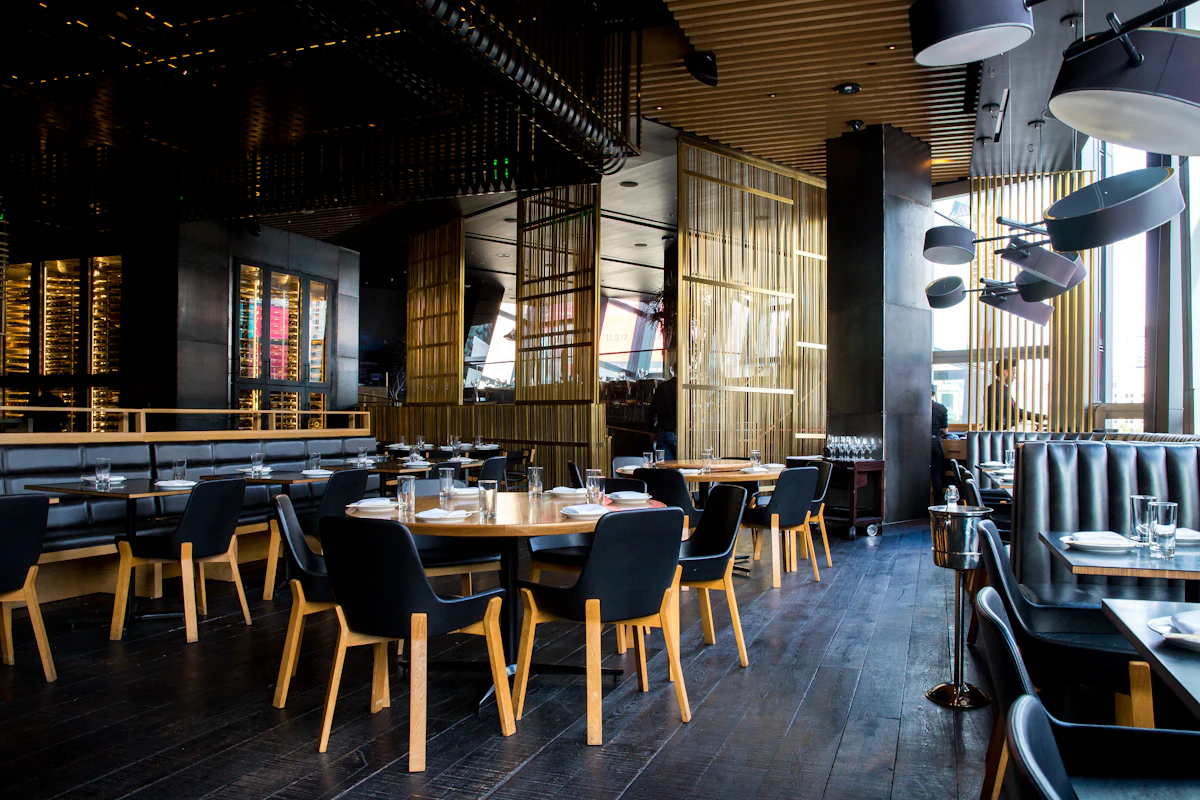 Restaurant$
Chiang Mai, Thailand
Another World
Restaurant
Restaurant$Chiang Mai, Thailand
Chom Cafe and Restaurant
Thai
Restaurant$$Chiang Mai, Thailand
GINGER FARM kitchen at ONENIMMAN Chiangmai
Restaurant
Restaurant$Chiang Mai, Thailand
It's Good Kitchen
Thai
Restaurant$Chiang Mai, Thailand
Kao Soy Nimman
Thai
Restaurant$Chiang Mai, Thailand
Khao Soi Khun Yai
Thai
Restaurant$Chiang Mai, Thailand
Khao Soi Lung Prakit Kad Kom
Noodle restaurant
Restaurant$Chiang Mai, Thailand
Khao Soi Maesai
Noodle restaurant
Restaurant$Chiang Mai, Thailand
Khao-Sō-i
Noodle restaurant
Restaurant$Chiang Mai, Thailand
Khun Kae's Juice Bar
Juice
Restaurant$Chiang Mai, Thailand
Nun‘s Restaurant
Restaurant
Restaurant$Chiang Mai, Thailand
Ozark by Food4Thought
Restaurant
Café & bakery
3
Activity
13 Activity
Chiang Mai, Thailand
Chinatown
Tourist attraction
ActivityChiang Mai, Thailand
Dantewada Land of Angels Waterfall Park
Tourist attraction
ActivityChiang Mai, Thailand
Doi Suthep
Mountain peak
ActivityChiang Mai, Thailand
Karen Village
Tourist attraction
ActivityChiang Mai, Thailand
Long Neck Tribe Village
Tourist attraction
ActivityChiang Mai, Thailand
Orange Garden My Garden
Tourist attraction
ActivityChiang Mai, Thailand
Pha Chor Tourist Center
Tourist office
ActivityChiang Mai, Thailand
Queen Sirikit Botanic Garden
Botanical garden
ActivityChiang Mai, Thailand
Tha Phae Gate
Historic landmark
ActivityChiang Mai, Thailand
Wat Chedi Luang
Buddhist temple
ActivityChiang Mai, Thailand
Wat Lok Moli
Buddhist temple
ActivityChiang Mai, Thailand
Wat Phra That Doi Kham
Buddhist temple
ActivityChiang Mai, Thailand
Wat Umong Suan Putthatham
Buddhist temple
Shopping
7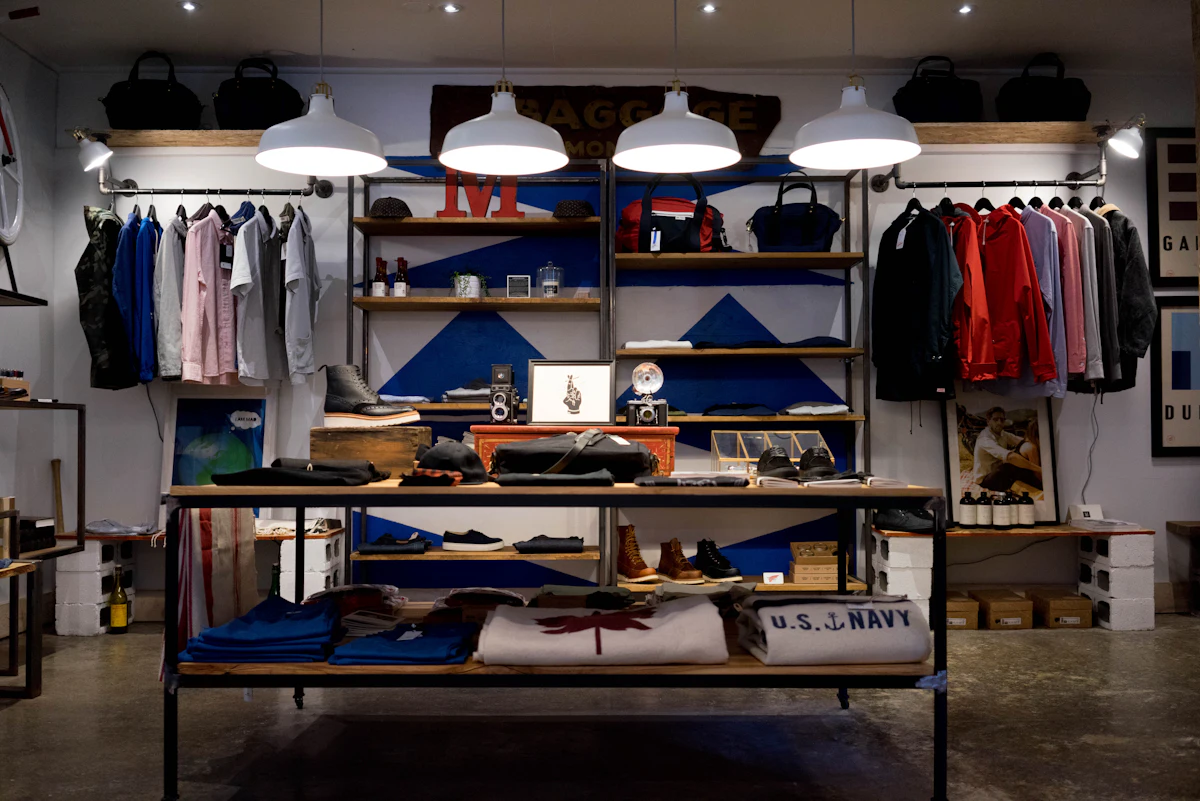 Shopping
Chiang Mai, Thailand
Chang Phuak Market
Night market
ShoppingChiang Mai, Thailand
Chiang Mai Night Market
Night market
ShoppingChiang Mai, Thailand
Jing Jai Market Chiang Mai
Market
ShoppingChiang Mai, Thailand
Kalare Night Bazaar
Night market
ShoppingChiang Mai, Thailand
Night market
Market
ShoppingChiang Mai, Thailand
Waroros Market
Market
ShoppingChiang Mai, Thailand
Wua Lai Walking Street Saturday Market
Night market
