City guide
Brooklyn
Brooklyn doesn't feel like a borough of somewhere else — it was its own independent city until 1898, and it still carries itself that way. With roughly 2.6 million people, it's more populous than Manhattan and would rank as one of the biggest cities in the US on its own, but it never feels like a checklist of skyscrapers — it feels like a string of small towns stitched together by the subway. Expect tree-lined brownstone blocks giving way to industrial-chic warehouses converted into breweries and galleries, rooftop bars with Manhattan skyline views, and a food scene that regularly outshines the island across the river. Its defining trait is how sharply the personality shifts block to block: quiet, Polish-inflected Greenpoint sits one subway stop from thumping Williamsburg, brownstone-calm Park Slope is a world away from gallery-hopping DUMBO, and further out, Bushwick's mural-covered warehouses and Sunset Park's Chinese and Latin American food scene barely register on the average tourist's map. It suits travelers who want to eat and wander rather than tick off a checklist — Brooklyn rewards slow mornings with coffee and long walks more than rushed sightseeing. Spring (cherry blossoms at the Botanic Garden) and early fall (block parties, outdoor dining still going, Smorgasburg in full swing) are the sweet spots; summer is glorious but crowded and humid, and winter is quiet and honestly a great time to eat your way through the borough without a wait.
34 places we recommend · From New York
Getting there
Brooklyn has no airport of its own, but it sits within reach of two of New York's three. JFK is the closer and more useful option for most Brooklyn neighborhoods, and it's where most long-haul international flights land. From JFK, take the AirTrain (around $8.75) to either its connection with the A subway line at Howard Beach — useful if you're headed toward Brooklyn Heights or DUMBO, roughly 60-90 minutes total including the subway leg — or the Long Island Rail Road at Jamaica Station, which reaches Atlantic Terminal, Brooklyn's main rail hub, in about 20 minutes for a bit more (around $5-7 with an off-peak CityTicket); Atlantic Terminal connects directly to the 2/3/4/5 and B/D/N/Q/R subway lines, and the LIRR route is usually the faster choice if you're headed to brownstone Brooklyn. LaGuardia is used mostly for domestic flights and is more of a slog to Brooklyn: the Q70-SBS bus to the subway at Roosevelt Avenue is the budget option (around 60-70 minutes total, a few dollars), while a taxi or rideshare runs roughly $25-45 and 30-40 minutes depending on traffic and destination, or look at a shared shuttle service for a flat rate somewhere in between. Newark (EWR), in New Jersey, is the least convenient of the three for Brooklyn — usually only worth booking if it's genuinely the cheapest flight, since it adds a NJ Transit or AirTrain leg into Manhattan before you've even started the trip across to Brooklyn. If you're arriving by train from elsewhere in the US, Amtrak comes into Penn Station in Manhattan, from which the subway takes another 20-40 minutes into Brooklyn depending on your destination neighborhood.
Getting around
Brooklyn is flat, walkable, and criss-crossed by subway lines, so most visitors get by without ever renting a car — a car is often more hassle than help here given how scarce and expensive parking is. The L, G, A/C, F, and Q trains cover the borough's main neighborhoods: the L is the Williamsburg workhorse, the G is the only line that skips Manhattan entirely and connects Greenpoint/Williamsburg to Park Slope and Fort Greene (it runs less frequently and can feel slow, so budget extra time), and the 2/3/4/5 and B/D/N/Q/R lines serve Park Slope, Prospect Heights, and points south. Fares run around $2.90 a ride with roughly a $34 weekly cap when you tap the same contactless card or phone each time — MetroCards have been phased out in favor of tap-to-pay OMNY. For a genuinely nice way to cross the river or hop between waterfront neighborhoods, the NYC Ferry (a few dollars more than the subway fare) runs from several Brooklyn piers — DUMBO, Williamsburg's North 6th Street landing, Greenpoint — into Manhattan, and it's more scenic and often faster than doubling back through a subway transfer. Citi Bike docks are everywhere and worth it for short hops or a flat ride along the waterfront greenway; note that DUMBO and other older pockets still have cobblestone side streets, which is rough going on two wheels. Trains run 24/7 but service thins out overnight, so budget extra time after midnight or default to a rideshare. Distances deceive on a map — Williamsburg to Park Slope is a 35-40 minute subway ride with a transfer, not a quick hop, so don't over-plan a single day across too many far-flung neighborhoods.
Apps to download
OMNY is how everyone pays for subways and buses — just tap a contactless bank card or phone, no separate transit card needed, though the OMNY app is handy for tracking your weekly fare cap and adding a linked card. Google Maps handles subway directions reliably in Brooklyn, but Citymapper is worth downloading too — it's often better at surfacing the fastest combination of walking, subway, and bus, which matters more here than in Manhattan's simpler grid. Uber and Lyft both operate all over the borough and are usually the easiest way to get door-to-door, especially late at night when subway service thins out; Curb is the local app for hailing yellow or green cabs digitally if you'd rather stick with a metered fare. Citi Bike's app handles bike rentals and shows real-time dock availability — check it before you walk to a station, since waterfront docks empty out fast on weekend afternoons. The NYC Ferry app is worth downloading if you plan to use the water routes, since schedules run every 20-30 minutes rather than subway frequency. For restaurants, Resy and OpenTable are how Brooklynites book tables — plenty of the best spots, including Roman's and Juliette, don't take walk-ins on weekends — and DoorDash, Uber Eats, and Seamless cover delivery if you'd rather eat in. Venmo has quietly become how New Yorkers split a check, so it's worth having even if you never expected to need a US payment app on a trip.
Good to know
Tip 20% at sit-down restaurants and bars — it's expected, not optional, and it's calculated on the pre-tax total rather than whatever percentage the checkout screen defaults to (those prompts often start at 22-25% now, so don't feel obligated to hit the highest button). Counter service — coffee, food trucks, delivery pickup — doesn't require a tip even though the card reader will often ask. Sales tax (8.875% in NYC) is added at checkout, not built into the sticker price, so the total is always a bit more than the menu number. New Yorkers walk fast and expect you to keep pace — stand right on escalators and subway stairs, and step out of doorways before checking your phone. Jaywalking is normal and mostly ignored, but watch for Citi Bike and delivery e-bikes, which move fast and quietly and are a more real hazard than traffic. Plastic shopping bags are banned citywide, so bring a tote if you're hitting farmers markets or vintage shops. Cannabis is legal for adults 21+ and you'll smell it constantly on the street, but smoking is still restricted indoors and in most parks. Cards, including tap-to-pay, are accepted virtually everywhere, so there's little reason to carry much cash beyond the odd cash-only spot — Peter Luger among them. Public restrooms are scarce, so duck into a café, park visitor center, or Time Out Market rather than hunting for a dedicated public one. And don't assume Manhattan's late-night pace applies here — plenty of Brooklyn kitchens close earlier than you'd expect, often 9:30-10pm on weeknights, so don't leave dinner reservations too late.
Where to stay
Williamsburg is the borough's most-visited neighborhood, dense with restaurants, bars, and nightlife that runs well past midnight — stay here if you want to be in the thick of it and don't mind noise, and note that of its subway lines only the L crosses directly into Manhattan. DUMBO is small, expensive, and unbeatable for that Instagram-famous Manhattan Bridge view from Washington Street, better suited to a short stay focused on Brooklyn Bridge Park and the waterfront than a home base for exploring the whole borough. Park Slope is brownstone-lined and genuinely residential, bordering Prospect Park, and the right call if you want quiet evenings with easy access to one of the city's best green spaces plus a fast 2/3 train into Manhattan. Greenpoint, one G train stop north of Williamsburg, is quieter and still deeply Polish in parts — good for real neighborhood texture without the crowds, though budget extra transit time since it has no direct Manhattan subway line. Fort Greene and Carroll Gardens/Boerum Hill are worth considering if you want brownstone charm without Park Slope's distance from the action: Fort Greene sits near BAM and the Brooklyn Flea, while Carroll Gardens puts you on Smith and Court Streets, two of the borough's best dining strips, with a quick F/G ride to most everywhere else. Bushwick is the pick for travelers chasing nightlife, warehouse parties, and street art over brownstones — it's edgier, cheaper, and further from Manhattan (30-40 minutes on the L or M), so it rewards people planning to spend most of their time in Brooklyn itself rather than shuttling back and forth. Skip Red Hook as a base unless you don't mind being bus-dependent — charming as the waterfront is, it's the one major neighborhood with no subway stop at all.
Where to eat
Williamsburg is still Brooklyn's food center of gravity — L'industrie Pizzeria is the by-the-slice spot locals send you to without hesitation, Juliette does a reliably good French bistro dinner, and TALEA Beer Co is the move when you want a pint brewed on-site rather than a full meal; for a view with your cocktail, Westlight's rooftop looks straight across the river at the Manhattan skyline. A few blocks over, Sea Thai Brooklyn and MISIPASTA both deliver more than their low-key storefronts suggest — solid, unfussy proof that Williamsburg's food scene runs deeper than its famous names. Radio Star and Baby Blues Luncheonette are worth seeking out on the quieter edges of the neighborhood for a lower-key night that doesn't require a reservation booked weeks out. Head to Fort Greene for Roman's, a small, always-busy Italian spot that's been a neighborhood fixture for years, or MADRE for something a little more eclectic and chef-driven. If your group can't agree on cuisine, Time Out Market New York in DUMBO is a genuinely good food hall — a dozen-plus vendors under one roof, and a safe bet on a night nobody can decide. Greenpoint rewards a slower morning: RHYTHM ZERO pulls a serious espresso, Greenberg's Bagels covers the bagel-and-lox breakfast, and the neighborhood's Polish bakeries and diners remain some of the best-value eating in the borough. Round it out with Little Egg for weekend brunch, Milk & Honey for a coffee-and-pastry stop between neighborhoods, and Super Burrito on the days you just want something fast and reliably good. For the two Brooklyn institutions worth a special trip: Peter Luger in Williamsburg has served the same dry-aged porterhouse-for-two since 1887 and remains a genuine bucket-list steakhouse — bring cash or a debit card, since they still don't take credit cards — and Junior's in Downtown Brooklyn has been baking its dense, sponge-cake-crust cheesecake since 1950; order a slice to go if the diner itself is packed.
Food to try
Brooklyn takes its pizza personally — Brooklyn-style is a large, thin-crust foldable slice, and L'industrie Pizzeria in Williamsburg is the modern neighborhood favorite, while Di Fara, now with locations in both Midwood (the original, still run by the DeMarco family) and Williamsburg, is the old-school reference point for pizza obsessives. Bagels are a genuine local specialty, not a tourist prop — boiled then baked, dense and chewy, best ordered with lox and scallion cream cheese; Greenberg's Bagels in Greenpoint is a solid modern option, though bagel loyalty runs deep and every Brooklynite has an opinion. Junior's, a Downtown Brooklyn institution since 1950, makes the dense, sponge-cake-crusted cheesecake that New York claims as its own. Peter Luger in Williamsburg has served the same dry-aged porterhouse-for-two since 1887 and remains the benchmark for old-school New York steakhouse dining — bring cash or a debit card, since credit cards still aren't accepted. Head to Coney Island for a Nathan's Famous hot dog with crinkle-cut fries; the original stand has been there since 1916, and it's still the most Brooklyn way to eat on a boardwalk. Greenpoint's Polish heritage shows up in pierogi and kielbasa at neighborhood diners and delis — worth seeking out for some of the best-value, most underrated eating in the borough. And if you're around between April and October, Smorgasburg (the outdoor food market, usually set up in Williamsburg or Prospect Park depending on the weekend) is where a lot of Brooklyn's food trends actually start — expect everything from inventive dumplings to overstuffed sandwiches from vendors testing out ideas that sometimes go on to become full restaurants.
Where to shop
Bedford Avenue in Williamsburg is the main shopping drag — a mile of vintage stores, indie boutiques, and record shops. Awoke Vintage Brooklyn and 10 ft Single by Stella Dallas are two of the better-curated vintage stops if you want pieces that don't look like everyone else's thrift finds, and LEIF — Home & Gift is worth a stop for home goods and gifts that don't feel like tourist souvenirs. The Little Brooklyn Market is a good one-stop option if you want a range of local goods under one roof without hopping block to block. Beyond Williamsburg, Atlantic Avenue (running through Boerum Hill and Cobble Hill) has become one of the borough's best style corridors — a mix of consignment shops, small design stores, and antiques dealers that rewards unhurried browsing. Bushwick is the spot for serious secondhand hunting — Beacon's Closet has a cavernous location there that regularly turns up better finds than its more picked-over Williamsburg branch, and the neighborhood's smaller shops lean toward streetwear and one-off vintage over curated boutique pricing. On weekends between spring and late fall, the Brooklyn Flea (locations rotate, often Fort Greene or DUMBO) is worth building a couple of hours around for antiques, vintage furniture, and small-batch goods from local makers. Industry City, the converted waterfront warehouse complex in Sunset Park, has grown into its own retail and food destination — worth the trip out if you want a single afternoon covering design shops, small studios, and a food hall without much walking between stops.
Things to experience
Prospect Park is the one thing we'd tell you not to skip — designed by the same team behind Central Park (Olmsted and Vaux), it draws real love from locals and has a lake, a zoo, and none of the Central Park crowds. Walk the Brooklyn Bridge from the Brooklyn side toward Manhattan around sunset, then wander into DUMBO for the Manhattan Bridge photo everyone takes from Washington Street, and give yourself time in Brooklyn Bridge Park itself — the stretch of waterfront green space beneath both bridges, with some of the best skyline views in the borough and no entry fee. The Brooklyn Museum and the neighboring Brooklyn Botanic Garden pair well as a half-day, especially if you catch the cherry blossoms in spring. If you're around on a weekend between April and October, Smorgasburg — Brooklyn's outdoor food market — is worth building an afternoon around. For something further out but classic Brooklyn, Coney Island's boardwalk, the Cyclone, and a Nathan's hot dog make for a genuinely fun half-day trip, especially in summer. Bushwick rewards a couple of unplanned hours of wandering for its warehouse-sized street art and mural scene, concentrated especially around the Jefferson L stop, and if you want Brooklyn's live-music and nightlife side, look up what's on at Music Hall of Williamsburg or House of Yes. Green-Wood Cemetery, a sprawling Victorian-era cemetery in Sunset Park with genuinely stunning skyline views and free walking tours, is one of Brooklyn's best-kept secrets and a favorite with locals for a quiet morning walk. Culture-minded travelers should check what's on at BAM (Brooklyn Academy of Music) in Fort Greene, one of the country's oldest performing arts institutions, and a NYC Ferry ride between Brooklyn piers is worthwhile in its own right, not just a way to get somewhere — the East River skyline view from the water beats the one from any rooftop bar.
Places in Brooklyn
34 places we personally recommend — 15 restaurant, 8 café & bakery, 4 bar, 2 activity, 4 shopping, 1 other.
Restaurant
15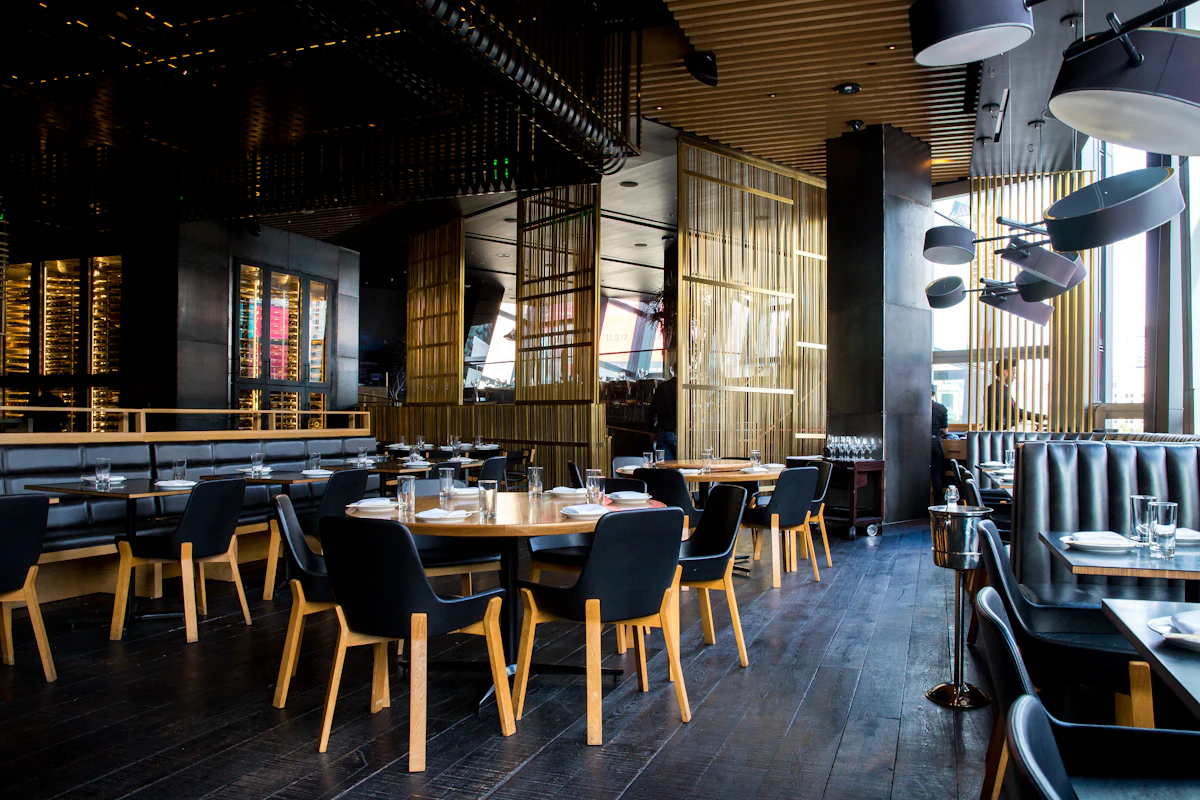 Restaurant$$
Brooklyn, USA
Brooklyn Suya
African food
Restaurant$$$$Brooklyn, USA
Eyval
Persian
RestaurantBrooklyn, United States
Juliette Restaurant
French
Restaurant$$Brooklyn, United States
L'industrie Pizzeria - Williamsburg
Pizza
Restaurant$$$Brooklyn, United States
Little Egg
Breakfast
Restaurant$$$$Brooklyn, United States
MADRE
Eclectic food
Restaurant$$$$Brooklyn, United States
MISIPASTA
Restaurant
Restaurant$$$Brooklyn, United States
Radio Star
Restaurant
Restaurant$$$Brooklyn, United States
Roman's
Italian
Restaurant$$$Brooklyn, United States
Sea Thai Brooklyn
Thai
Restaurant$$$Brooklyn, USA
Shalom Japan
Fusion restaurant
Restaurant$$Brooklyn, USA
Taqueria Ramirez
Mexican
Restaurant$$$$Brooklyn, USA
Theodora
Mediterranean food
Restaurant$$$Brooklyn, United States
Time Out Market New York
Food court
Restaurant$$$$Brooklyn, USA
Vinegar Hill House
Modern American food
Café & bakery
8 Café & bakery$$
Brooklyn, USA
Fan Fan Doughnuts
Bakery
Café & bakery$$Brooklyn, United States
Greenberg's Bagels
Bagel shop
Café & bakery$$$Brooklyn, United States
Milk & Honey
Café
Café & bakery$$Brooklyn, USA
Passionfruit Coffee
Coffee bar
Café & bakery$$Brooklyn, USA
Radio Bakery
Bakery
Café & bakery$Brooklyn, United States
RHYTHM ZERO | GREENPOINT
Coffee bar
Café & bakery$$Brooklyn, USA
Thea
Bakery
Café & bakery$Brooklyn, USA
Villager
Coffee bar
Bar
4
Activity
2
Shopping
4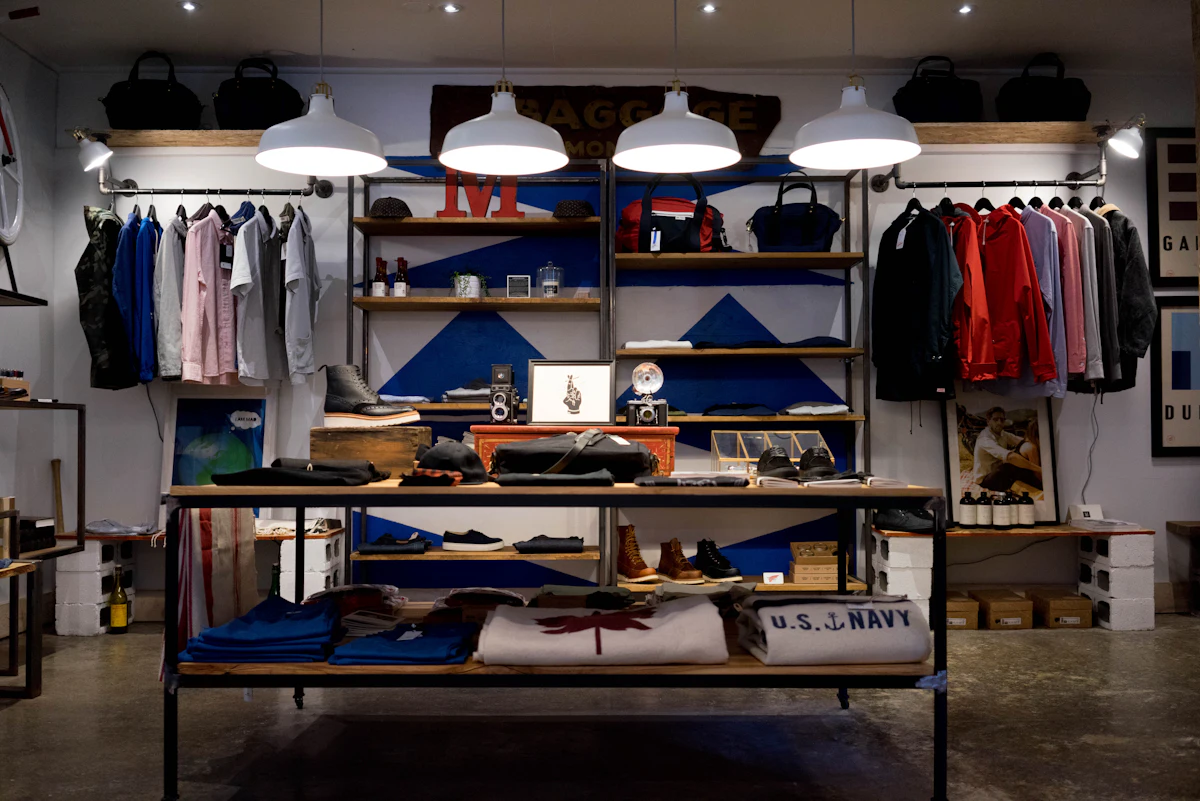 Shopping
Brooklyn, United States
10 ft Single by Stella Dallas
Vintage clothing store
ShoppingBrooklyn, United States
Awoke Vintage Brooklyn
Vintage clothing store
ShoppingBrooklyn, United States
LEIF — Home & Gift
Home decor store
ShoppingBrooklyn, United States
The Little Brooklyn Market
Shopping mall
